
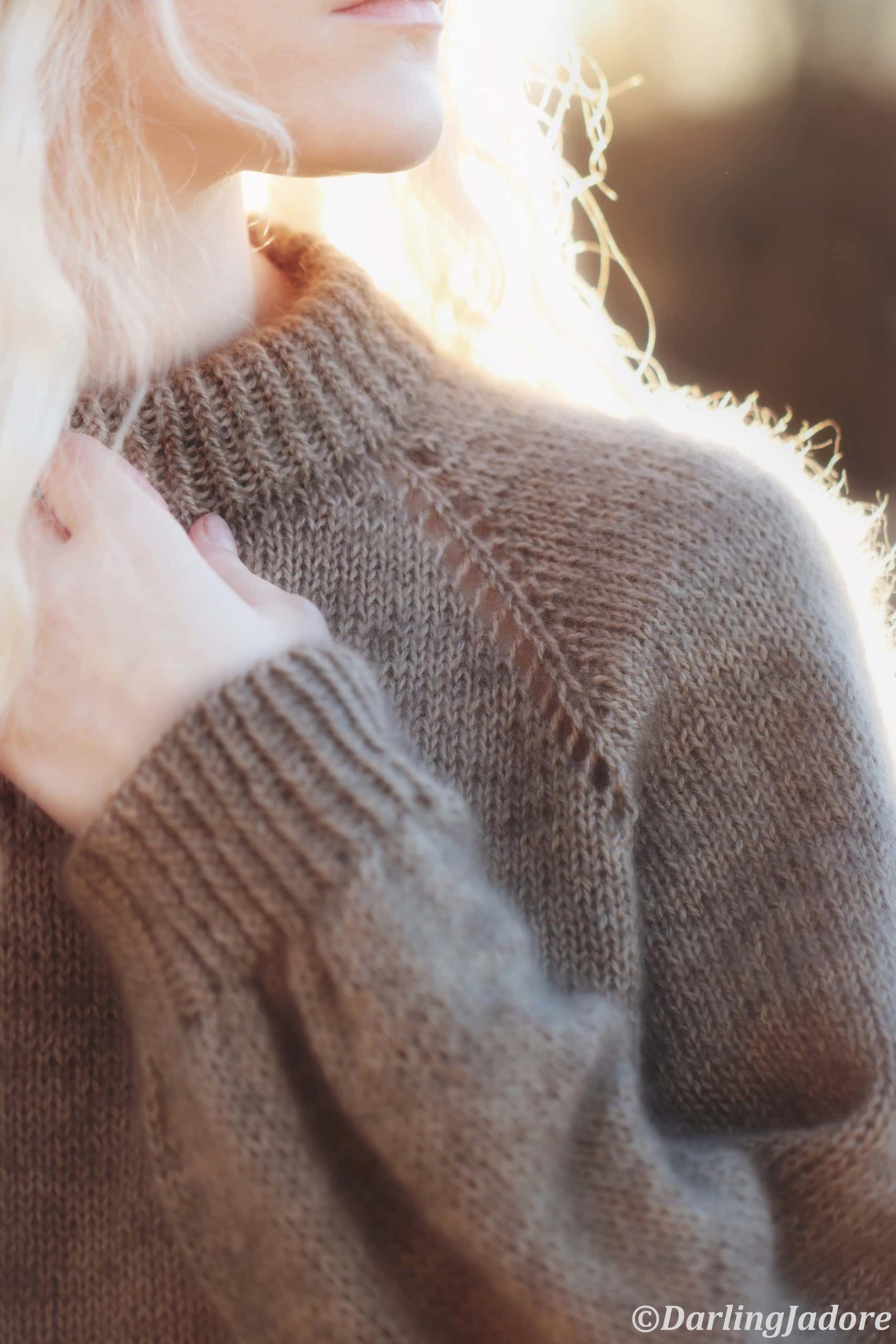
The most-worn knitted sweater in your closet probably is not the chunky knit winter pullover you spent months knitting. It is the lighter-weight one you reach for on cool summer evenings, layer under a coat in winter, and throw on every morning in spring and fall --- think, The Lake Sweater. Transitional sweaters are the workhorses of a handknit wardrobe, and learning to knit one that works across seasons is one of the smartest uses of your knitting time.
This guide covers everything you need to know about knitting a year-round sweater: which yarn fibers and weights to choose, which silhouettes layer best, and how construction choices affect wearability across seasons. You can browse Darling Jadore's sweater knitting patterns here.

What Makes a Knitted Sweater "Transitional"?
A transitional knit sweater is lightweight enough to wear in mild weather but substantial enough to provide real warmth when layered. The key characteristics are:
- Moderate weight: DK and worsted-weight yarns hit the sweet spot. They create fabric with enough body to hold its shape but not so much bulk that you overheat indoors.
- Breathable fiber: Natural fibers like wool, alpaca, cotton, and silk regulate temperature far better than synthetics. They wick moisture when you are warm and insulate when you are cool.
- Versatile silhouette: A relaxed but not oversized fit layers under jackets without bunching and looks polished enough to wear on its own.
- Year-round color: Neutral and earth-toned sweaters transition between seasons more easily than bright seasonal colors.

The Best Yarn Fibers for Year-Round Knit Sweaters
Your fiber choice to knit a sweater determines whether your knitted sweater works in one season or four. Here is how the most popular knitting fibers perform across temperatures:
Merino Wool
Merino is the gold standard for transitional knitwear. Its fine fibers create a smooth, next-to-skin comfortable fabric that regulates temperature beautifully. Merino insulates in cold weather, breathes in warmth, and wicks moisture away from your body. A DK-weight merino sweater is genuinely comfortable from 50 to 75 degrees Fahrenheit, which covers most of the year in most climates.
Look for superwash merino if you want easy care, or non-superwash for better stitch definition and a more traditional hand feel. Both work well for transitional garments.
Mohair Held Double
Think The Cafe Sweater - a customer fan fave. One of the most exciting techniques in modern knitting is holding a lace-weight mohair strand together with a fingering or sport-weight base yarn. This creates a fabric with beautiful halo and visual depth without dramatically changing the overall gauge or structure of the garment.
The mohair adds warmth without weight, which is exactly what a transitional sweater needs. The resulting fabric is lofty and insulating but not heavy or stiff. The subtle fuzz of the mohair also gives the finished sweater a luxurious, polished appearance that elevates even the simplest stockinette pattern.
When knitting with held-double mohair, your gauge swatch is especially important. The mohair strand will affect your tension, and the blocked gauge can differ significantly from the unblocked measurement. Always block your swatch before measuring.

Cotton and Cotton Blends
Pure cotton creates a cool, breathable fabric that is perfect for warm-weather knitting but lacks the elasticity and warmth of wool. For a true year-round sweater, cotton-wool or cotton-silk blends are a better choice. The cotton provides breathability and drape while the wool or silk adds memory and light insulation.
Cotton yarns are heavier than wool at the same yardage, so factor this into your project planning. A cotton sweater in the same gauge as a wool one will feel noticeably denser on your body.
Alpaca
Baby alpaca is incredibly soft and warm, with a beautiful drape that gets better with wear. It is warmer than wool by weight, which means you can knit a thinner fabric that still insulates well. A sport-weight alpaca sweater provides surprising warmth for its light feel.
The trade-off is that alpaca has no memory. It will stretch and relax over time, especially in heavier gauges. For sweaters, choose alpaca blends (alpaca-wool or alpaca-silk) that add elasticity, or use alpaca in lighter weights where gravity has less effect.
Linen and Linen Blends
Linen is the ultimate warm-weather fiber. It wicks moisture, feels cool against the skin, and gets softer with every wash. A linen or linen-blend sweater knit in a relaxed gauge creates a breezy, breathable garment perfect for summer evenings.
Linen has no stretch and can be stiff until broken in. It also tends to grow in length after blocking. Knit your gauge swatch, wash it, and let it hang dry before measuring. Linen-cotton and linen-silk blends are more forgiving and easier to knit with.

Yarn Weight: Finding the Year-Round Sweet Spot
The weight of your yarn is just as important as the fiber when building a year-round sweater:
- Lace and fingering weight (with mohair): Creates ultra-light layering pieces. Pair a lace-weight mohair with a fingering-weight base for a fabric that is warm, light, and elegant. Best for mild climates or as a layering piece under coats.
- Sport and DK weight: The ideal range for true transitional sweaters. Substantial enough to wear alone in cool weather, light enough to layer or wear in warmer months without overheating. This is the most versatile weight for year-round knitting.
- Worsted weight: Slightly heavier, best suited to cooler transitions (fall into winter, winter into spring). A worsted-weight sweater in a breathable fiber like merino works from about October through April in most climates.

Knit Sweater Silhouettes That Work Across Seasons
The shape of your sweater affects its seasonal versatility as much as the yarn does:
Relaxed-Fit Raglan
A raglan sweater with moderate positive ease (4 to 6 inches for a transitional piece, as opposed to 8 to 10 for an oversized winter sweater) is the most versatile silhouette you can knit. The seamless construction creates clean lines that layer well, and the diagonal raglan seams add visual interest without bulk at the shoulders.
Top-down raglan construction is particularly practical for transitional sweaters because you can try the garment on as you knit and adjust the length and fit in real time. I design mostly raglan sweaters - you can shop the knitting patterns here.
Structured Shoulders
After several years of drop-shoulder dominance, structured shoulder lines are making a comeback in knitwear. Set-in sleeves and modified drop shoulders create a more polished look that transitions easily from casual to dressed-up settings. A sweater that looks put-together enough for a lunch out is one you will reach for more often than a sloppy weekend pullover.
Cropped and Hip-Length Options
Cropped sweaters (hitting at the natural waist or just below) are excellent layering pieces. They sit neatly over high-waisted pants and skirts without adding bulk. For standalone wear, a hip-length sweater provides more coverage and a more traditional silhouette.
Consider knitting a length that works with your most-worn bottoms. A sweater that pairs well with your everyday wardrobe will get far more wear than one that only works with specific outfits.

Color Palettes For Yarn That Work Year-Round for Knitted Sweaters
Color choice plays a surprising role in how often you reach for a sweater. Highly seasonal colors (bright red, deep forest green, icy pastels) tend to feel wrong outside their season, even if the weight and fiber are appropriate.
For maximum versatility, consider these year-round palettes:
- Earth tones: Terracotta, clay, ochre, sand, warm brown. These colors work with virtually every season and pair naturally with both warm and cool wardrobes.
- Soft neutrals: Oatmeal, cream, warm grey, camel. Classic, timeless, and endlessly versatile. A neutral sweater is the one you will wear until it falls apart.
- Muted naturals: Dusty rose, pale sage, soft butter yellow, slate blue. These colors read as neutrals but add a touch of personality. They are particularly beautiful in mohair blends where the halo softens the color even further.

Construction Tips for Transitional Knit Sweaters
A few construction choices can make your transitional sweater more wearable:
- Seamless construction: Top-down and seamless methods eliminate bulky seams that add warmth where you do not need it. The smooth interior of a seamless sweater also makes layering more comfortable. I prefer knitting these types of sweaters - you can browse my patterns here.
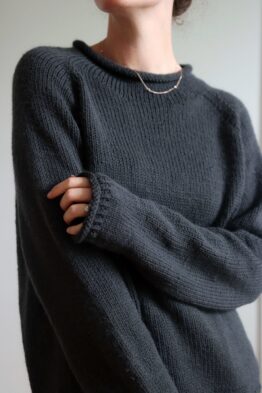
- Lighter ribbing: Heavy, long ribbing traps heat. For a transitional sweater, consider shorter ribbed bands (1 to 1.5 inches) or even a rolled stockinette edge for maximum breathability.
- Three-quarter or bracelet-length sleeves: Slightly shorter sleeves are cooler, more modern, and solve the problem of sleeves that are always getting pushed up anyway. They also make a sweater feel less "wintery."
- Gauge matters: Knitting at a slightly looser gauge than recommended creates a more open, breathable fabric. This is especially effective with wool and wool blends. Just make sure to swatch and block before committing.

Planning Your Year-Round Knit Sweater
Before you cast on, ask yourself these questions:
- When will I wear this most? If you want a sweater for spring through fall, lean toward sport weight in a breathable fiber. If you want fall through spring, DK or light worsted in merino or alpaca is ideal.
- Will I layer it or wear it alone? Layering pieces can be thinner and more fitted. Standalone sweaters need enough body to look good on their own.
- What is my climate? Knitters in mild, coastal climates can get away with lighter fabrics year-round. Knitters in four-season climates might choose DK-weight merino as the best all-around option.
- What colors dominate my wardrobe? Choose a sweater color that works with what you already own. The most beautifully knit sweater is wasted if it does not match anything in your closet.

Start Knitting A Sweater for Every Season
The most satisfying handknit sweater is not always the showstopping cable masterpiece. Sometimes it is the quiet, perfectly weighted pullover that you reach for three hundred mornings a year. By choosing the right fiber, weight, and silhouette, you can knit a sweater that works as hard as you do, no matter what the weather brings.
Explore our sweater knitting pattern collection for designs that work beautifully across seasons. Your next favorite sweater is waiting to be cast on.
Comments are closed.