
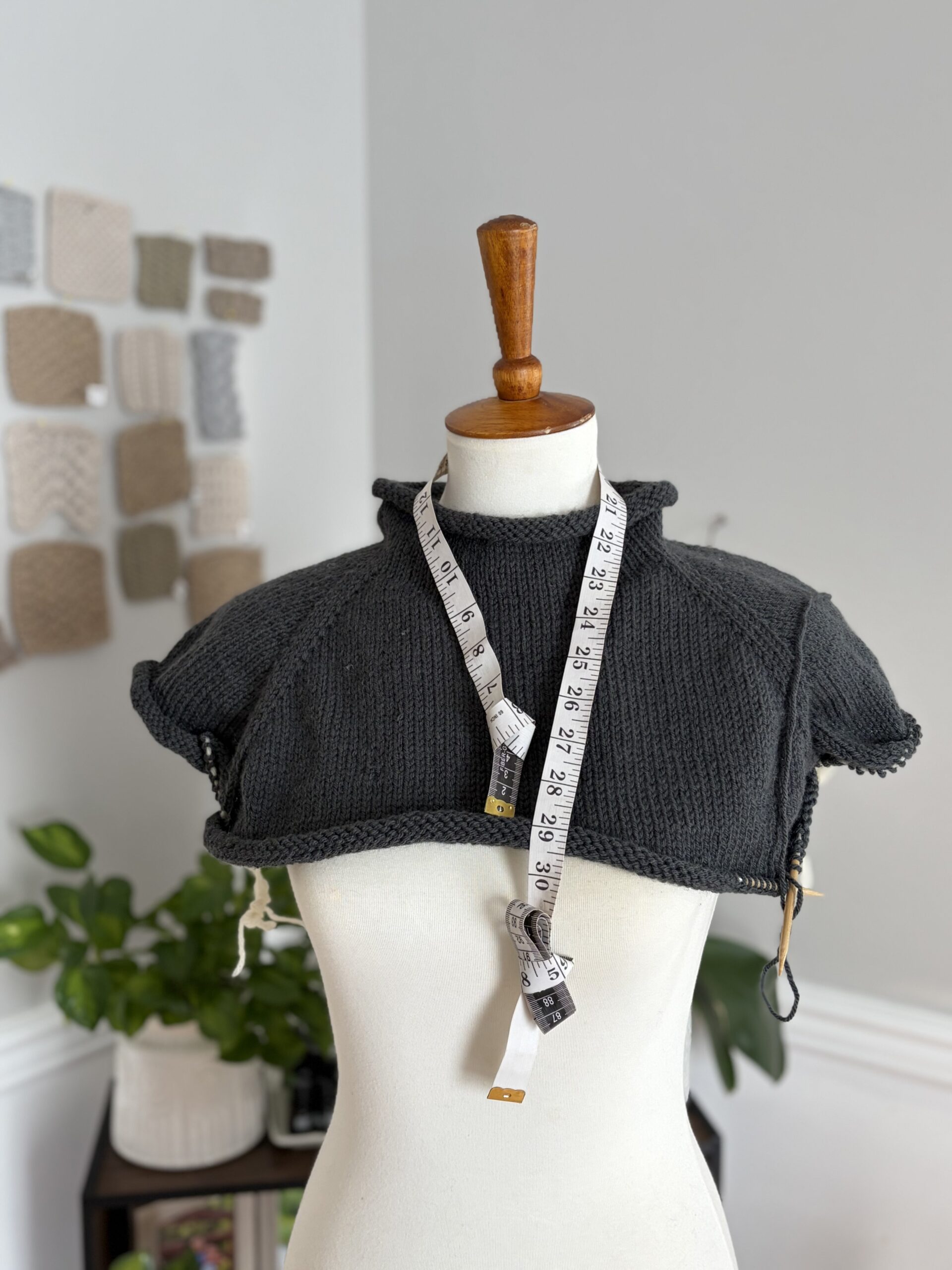
The top-down raglan sweater is the most popular sweater knitting pattern construction in modern knitting, and it's easy to see why. Seamless, beginner-friendly, and endlessly customizable, the raglan knitting pattern lets you knit a beautiful pullover or jumper from the neckline down with zero seaming. Whether you're planning your first knit sweater or your twentieth, understanding raglan construction will make you a better, more confident knitter.
This guide covers everything about top-down raglan sweater knitting patterns: how they're constructed, why they're so easy and popular, what makes the silhouette flattering, and how to choose the right neckline, sleeves, and yarn for your next knit sweater project.

What Is a Top-Down Raglan Sweater?
A raglan sweater is a knitting pattern where diagonal lines run from the neckline to the underarm, creating a distinctive angled seam that replaces the traditional shoulder seam found in set-in sleeve sweaters. In a top-down raglan knitting pattern, you start knitting at the neckline and work your way down to the hem, building the entire sweater, pullover, or jumper as one seamless piece.
The name "raglan" comes from Lord Raglan, a 19th-century British Army officer who lost his arm at the Battle of Waterloo. His tailor at Aquascutum designed a coat with sleeves cut from the collar to the underarm to accommodate his injury and allow greater range of motion. The practical design caught on, and by the early 1900s, raglan construction had made its way into knitwear.
In the 1970s, legendary knitting author Elizabeth Zimmermann revolutionized sweater knitting by championing seamless construction using circular needles in her book Knitting Without Tears. Her work laid the foundation for the top-down raglan sweater knitting patterns that dominate the knitting world today.
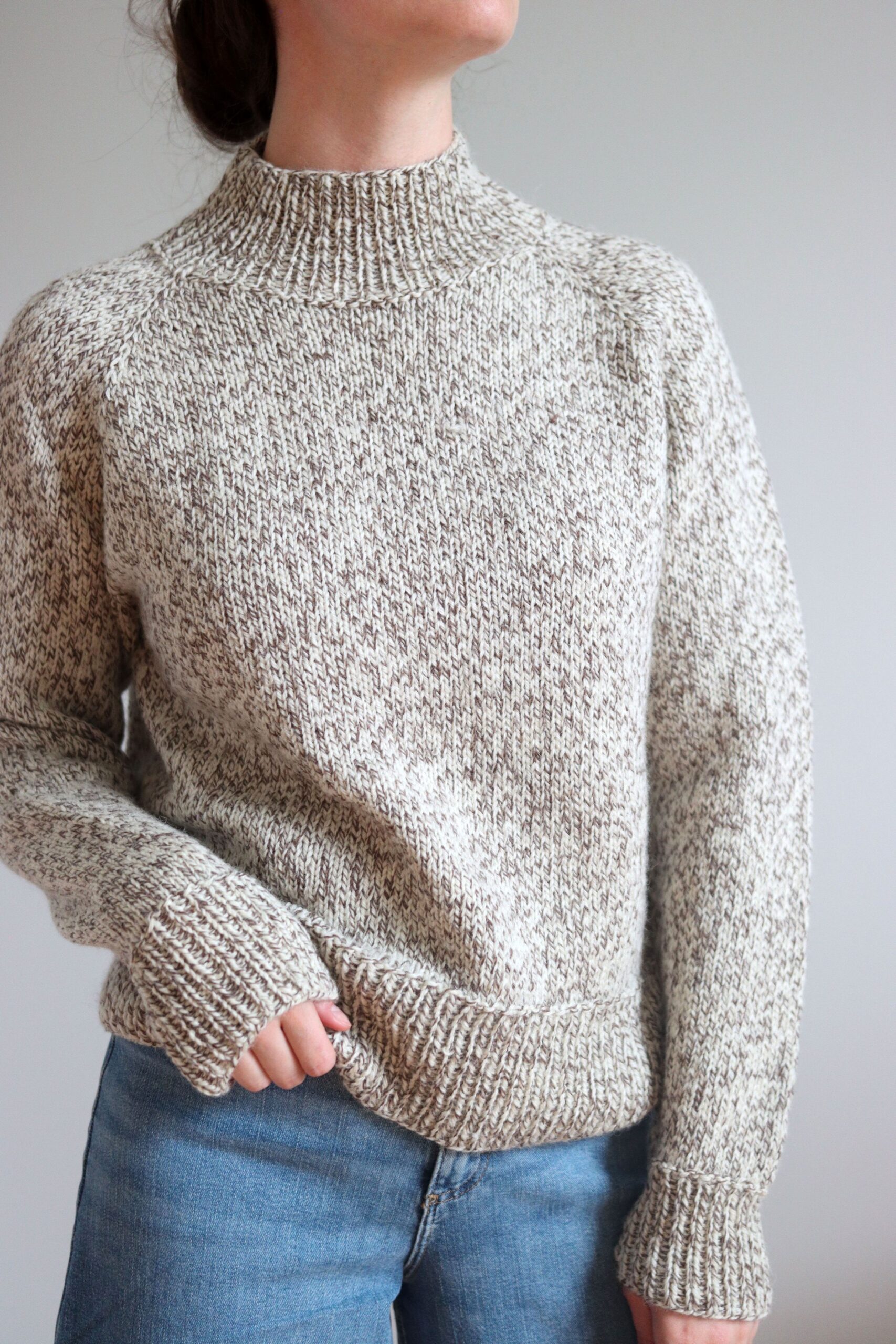
How Top-Down Raglan Sweater Construction Works
Understanding how a raglan knit sweater is constructed will help you follow any raglan knitting pattern with confidence. Here is the step-by-step process:
Step 1: Cast On at the Neckline
You begin your knit sweater with a relatively small number of stitches for the neck circumference. Most raglan sweater knitting patterns start with ribbing (k1, p1 or k2, p2) for the collar or neckband. Because you're starting with so few stitches, the first rows fly by, and you see your knit pullover taking shape almost immediately.
Step 2: Place Raglan Markers
After the neckband, you place four stitch markers that divide your knitting into four sections: the front panel, the back panel, and two sleeves. These markers define the raglan lines, which are the diagonal lines that will run from neck to underarm on your finished knit sweater.
Step 3: Shape the Back Neck with Short Rows
Many modern raglan knitting patterns include short rows across the back neck before beginning full raglan increases. This raises the back neckline higher than the front, creating a sweater that sits comfortably rather than riding up in front or gaping in back. German short rows and wrap-and-turn are the two most common methods used in raglan sweater patterns.
Step 4: Increase for the Yoke
This is the heart of raglan construction. On increase rounds, you work one increase before each marker and one increase after each marker. This adds 8 stitches total per increase round (2 stitches per section). You alternate between increase rounds and plain knit rounds. Common increase methods in raglan knitting patterns include:
- KFB (knit front and back): The simplest option, used in beginner-friendly patterns like Flax by Tin Can Knits.
- M1R and M1L (make 1 right/left): Mirrored increases that create a cleaner, more polished raglan line.
- Yarn overs: Create decorative eyelet holes along the raglan line for a lacy detail.
- Lifted increases: The most subtle and nearly invisible option.
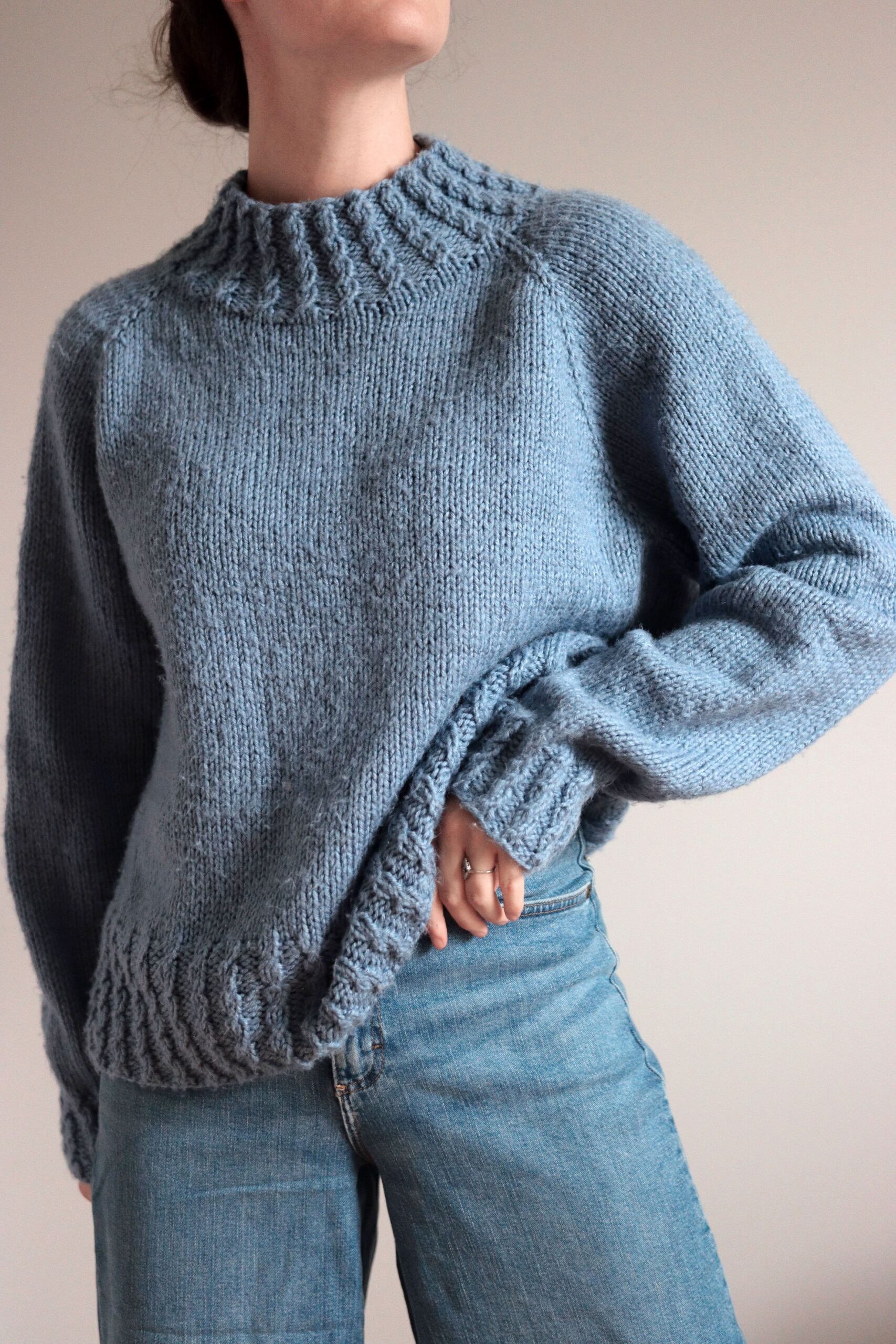
Step 5: Separate Sleeves from Body
Once the yoke reaches your underarm depth (typically 7 to 10 inches depending on size), you separate the sleeves from the body. Sleeve stitches go onto waste yarn or stitch holders, and you cast on a small number of stitches at each underarm to bridge the gap. This is one of the most satisfying moments in knitting a raglan sweater: your knit pullover suddenly looks like a real sweater.
Step 6: Knit the Body
With the sleeves set aside, you continue knitting the body tube downward in the round to your desired length. This is where you can add waist shaping if you want a more fitted silhouette, or simply knit straight for a relaxed, oversized knit sweater look. Finish with ribbing at the hem.
Step 7: Knit the Sleeves
Transfer the held sleeve stitches back to your needles, pick up stitches from the cast-on underarm stitches, and work each sleeve in the round. For tapered sleeves, work decrease rounds every 6th to 8th round until reaching your desired cuff width. Finish with ribbing. Magic loop (using a long circular needle like ChiaoGoo Red Lace) is the easiest method for knitting sleeves in the round.
And that's it. When you bind off the last sleeve cuff, your knit sweater is done. No seaming, no sewing pieces together, no matching up edges. The entire raglan pullover is one continuous piece.
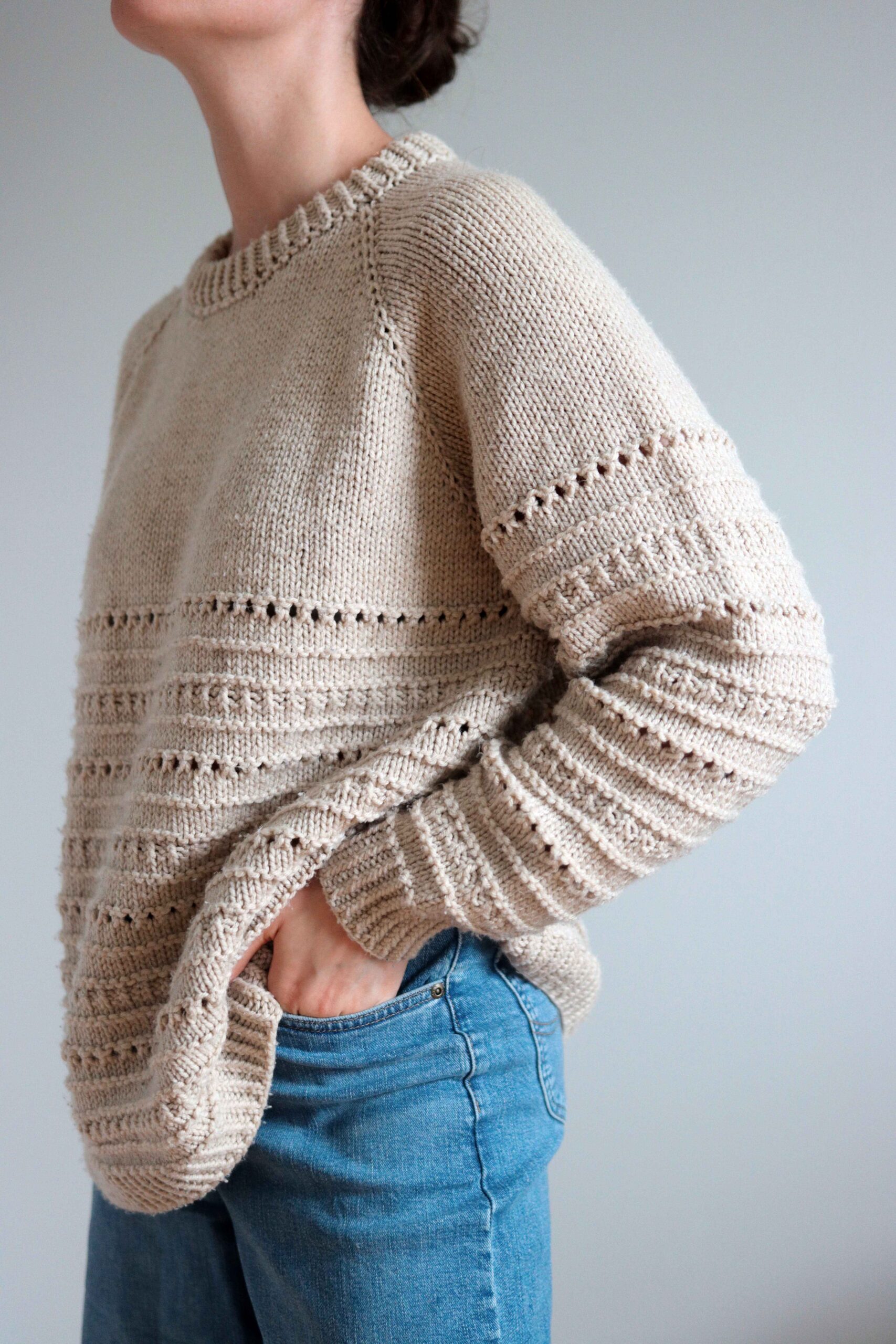
Why Top-Down Raglan Is the Easiest Sweater to Knit
There's a reason the top-down raglan is the most recommended sweater knitting pattern for beginners. Here's what makes it so easy and approachable:
Completely Seamless
The entire knit sweater is worked in the round as one continuous piece. There are no front panels, back panels, or sleeve pieces to knit separately and then sew together. For many knitters, seaming is the most dreaded part of making a sweater. With a top-down raglan knitting pattern, that step simply doesn't exist.
Try On As You Go
Because you're knitting from the top down, you can thread a waste yarn through your live stitches at any point, remove your needles, and try the sweater on. This lets you check neckline fit, yoke depth, body length, and sleeve length before committing. You'll never finish an entire knit pullover only to discover it doesn't fit.
Simple, Repetitive Technique
The basic raglan technique is stockinette stitch with 8 increases every other round. If you can knit, purl, and work a basic increase, you can make a raglan sweater. The math is straightforward and the rhythm becomes almost meditative.
Adjustable Length
Both body length and sleeve length can be customized on the fly. Want a cropped knit sweater? Stop the body earlier. Want a tunic-length pullover? Keep knitting. You're in complete control of the finished dimensions.
Better Yarn Management
Because you work the entire sweater from one continuous strand, you can see exactly how much yarn you have remaining and adjust length accordingly. No more running out of yarn with one sleeve left to knit.

Raglan vs. Other Sweater Constructions
How does the raglan knit sweater compare to other construction methods? Here's a quick breakdown:
Raglan vs. Set-In Sleeve
Set-in sleeve sweaters have a defined shoulder seam and a shaped armhole that follows the natural contour of the shoulder. They produce the most tailored, structured fit, but require knitting separate pieces and seaming them together. Raglan knitting patterns sacrifice a bit of tailored precision for seamless construction and ease of knitting. For everyday knit sweaters, most knitters prefer the raglan's simplicity.
Raglan vs. Circular Yoke
Circular yoke sweater patterns (like Icelandic lopapeysa) have no visible raglan lines. Instead, increases are distributed evenly around the entire yoke, creating an unbroken canvas that's perfect for colorwork. Raglan construction gives you more control over fit in the shoulders and creates defined lines that can be decorative elements in your knit pattern.
Raglan vs. Drop Shoulder
Drop shoulder knit sweaters are essentially four rectangles sewn together. They're the simplest possible construction but produce a very boxy, oversized silhouette. The raglan offers a similar relaxed feel with more visual interest and a better-defined shape through the shoulders.

The Raglan Silhouette: Flattering and Versatile
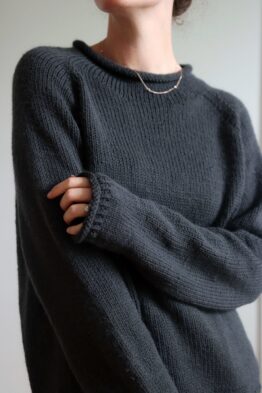
One of the best things about the raglan knit sweater silhouette is how universally flattering it is. The diagonal raglan lines draw the eye from the underarm up to the neck, creating a visually elongating effect that makes the upper body look balanced and the shoulders appear smooth and natural.
The raglan sweater works well on most body types:
- On narrower shoulders, the diagonal lines create the illusion of width
- On broader shoulders, the relaxed fit and soft raglan line soften the silhouette
- The lack of a rigid shoulder seam means the knit sweater drapes naturally across the upper body
- With the right amount of positive ease, a raglan pullover is comfortable without being shapeless
Understanding Positive Ease in Raglan Sweater Patterns
Positive ease is the difference between your body measurement and the finished sweater measurement. For raglan knitting patterns:
- Fitted: 2 to 4 inches of positive ease over your chest measurement
- Relaxed: 4 to 6 inches of positive ease
- Oversized: 6 to 10+ inches of positive ease
When choosing a size in a raglan sweater knitting pattern, select based on your upper bust measurement (not full bust) and check the pattern's finished measurements rather than relying on size labels alone.

Neckline Options for Raglan Knit Sweaters
The neckline you choose transforms the look and feel of your raglan pullover. Here are the most popular neckline options in raglan sweater knitting patterns:
Crew Neck
The most classic and versatile neckline for a knit sweater. A crew neck sits at the base of the neck with a clean, rounded opening. It works with virtually every outfit and every body type. Most beginner raglan knitting patterns use a crew neck.
Mock Neck and Funnel Neck
A raised neckline that adds warmth and sophistication. The funnel neck is one of the hottest knitwear trends for 2026, with Trendalytics reporting an 875% increase in searches. Simply knit a taller neckband (3 to 4.5 inches) to create this elevated look on any raglan sweater pattern. Read our full guide on funnel neck sweaters for more.
V-Neck
Created by increasing front neck stitches at intervals that determine the depth of the V. A V-neck raglan knit sweater has a more feminine, elongating look that's perfect for layering over collared shirts.
Boat Neck
A wide, shallow neckline that extends toward the shoulders. This creates a more relaxed, casual look in a raglan pullover and is especially flattering for showing off collarbones.
Why Short-Row Neck Shaping Matters
Regardless of which neckline you choose, the back of the neck should sit higher than the front. Without this shaping, a raglan knit sweater will ride up in front and gap in back. Most well-written raglan knitting patterns include short-row shaping to create this difference. It's a small detail that makes an enormous difference in how your finished knit sweater fits and feels.

Sleeve Options in Top-Down Raglan Patterns
After you separate the sleeves from the body, you have several options for how to shape them. The sleeve style you choose changes the overall silhouette of your raglan knit sweater:
Tapered Sleeves
The most common sleeve in raglan sweater knitting patterns. You decrease gradually from the underarm to the wrist, creating a sleeve that narrows toward the cuff. This gives a clean, flattering line. Decreases are typically worked every 6th to 8th round on either side of a center underarm marker.
Straight Sleeves
No decreases after separation. The sleeve maintains the same circumference from underarm to cuff, creating a more relaxed, modern look. This is popular in oversized raglan knit sweater patterns.
Three-Quarter Sleeves
Stop the sleeve at approximately elbow length or slightly below. Popular for transitional seasons and lightweight knit sweaters. The shorter length also means less yarn and faster completion.
Bell Sleeves
Instead of decreasing, you increase after the elbow to create a flared opening at the wrist. This adds a romantic, feminine detail to a raglan pullover and pairs beautifully with the Poetcore aesthetic trending on Pinterest.

Best Yarns for Knitting a Raglan Sweater
The yarn you choose shapes the entire character of your raglan knit sweater. Here are the best options:
Worsted Weight (The Classic Choice)
Worsted weight yarn is the most popular choice for raglan sweater knitting patterns. It knits up quickly, creates a substantial fabric, and offers excellent stitch definition that shows off those raglan lines beautifully.
DK Weight
A lighter alternative that creates a more refined, drapey fabric. DK weight is excellent for three-season raglan knit sweaters and layering pieces. The finer gauge takes more time but produces a polished, professional-looking knit pullover.
Chunky and Bulky Weight
The fastest option for a cozy raglan sweater. Chunky yarns like Lion Brand Wool-Ease Thick & Quick can produce a finished knit jumper in a weekend. Best for oversized, casual designs where you want maximum coziness.
Mohair Held Double
One of the most popular current trends: holding a thin mohair-silk laceweight strand together with your main yarn. This creates a beautiful halo effect and a lofty, cloud-like fabric that's incredibly warm without being heavy.
Best Fiber Content
Superwash merino wool is the gold standard for raglan knit sweater patterns. It's soft against skin, has excellent memory (meaning it springs back into shape), and can be machine washed. For warmer climates, cotton and cotton blends work well but note that cotton has no elasticity and can stretch over time, so look for cotton-blend yarns that add some resilience.
Raglan Sweaters in Fashion: Why They're Always in Style
The raglan knit sweater isn't just a knitting construction method. It's a fashion staple that aligns with multiple current trends:
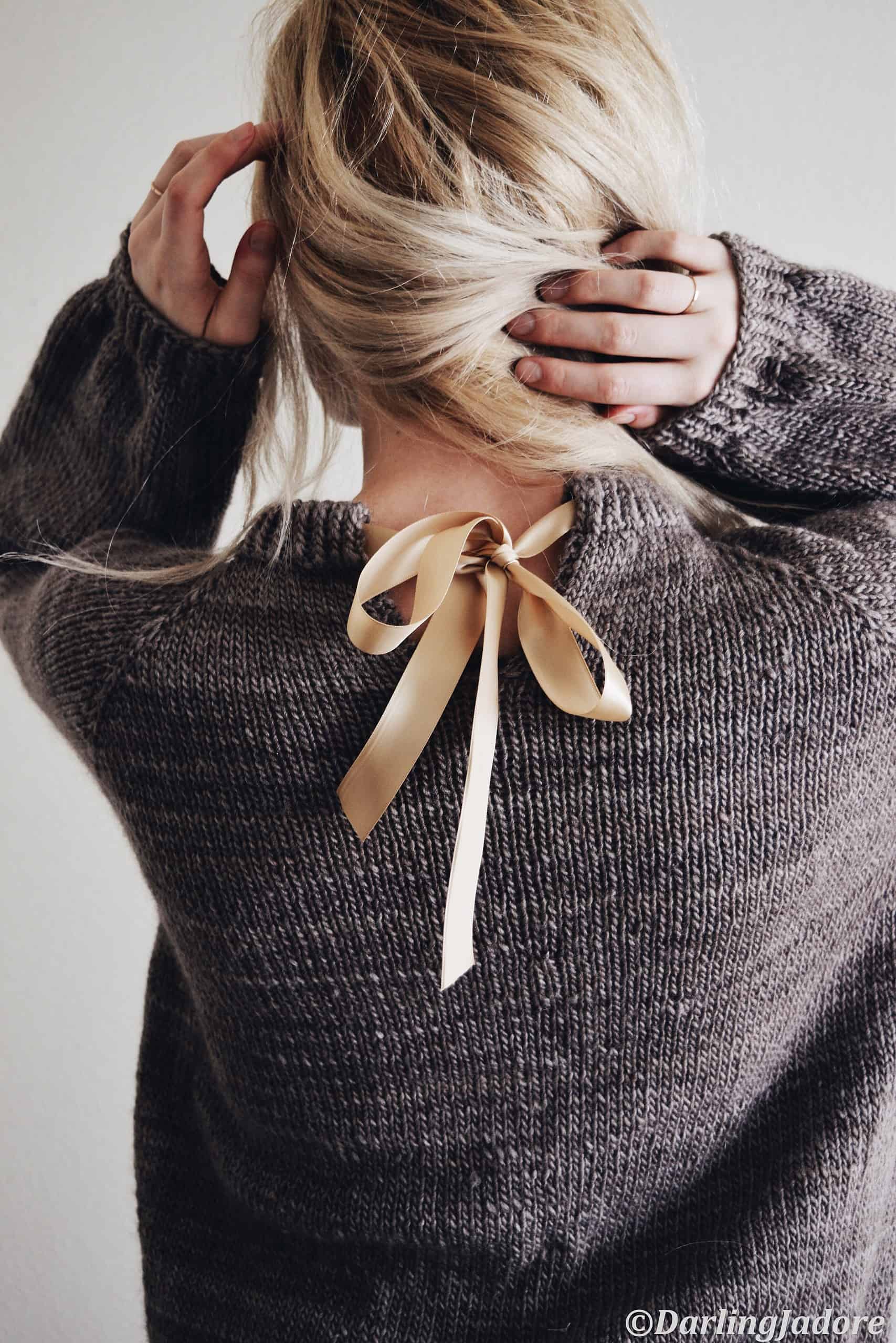
- Quiet luxury: Clean, minimal raglan pullovers in muted neutrals embody the understated elegance that defines quiet luxury knitwear.
- Oversized silhouettes: The raglan construction lends itself naturally to oversized fits. Knit a size or two up, choose a chunky yarn, and you have a fashion-forward oversized knit sweater.
- Texture and detail: The raglan line itself becomes a design element. Cables, eyelets, and textured stitches along the raglan line add visual interest to an otherwise simple knit pattern.
Whether trends lean minimal or maximalist, the raglan sweater adapts. It's a timeless silhouette that has been fashionable for over a century, and its presence in handknit fashion shows no signs of slowing down.
Common Raglan Modifications
Once you've knitted your first basic raglan sweater pattern, a world of customization opens up:
- Waist shaping: Add decreases at the sides down to the natural waist, then increase back out to the hip for an hourglass silhouette.
- Cropped length: Stop the body at or above the natural waist for a modern cropped knit sweater.
- Decorative raglan lines: Replace plain increases with cables, lace, or textured stitch patterns along the raglan line.
- Colorwork yoke: Add stripes or Fair Isle colorwork to the yoke section for a Scandinavian-inspired look.
- Cardigan conversion: Split the front panel in half and add button bands to turn any raglan pullover pattern into a cardigan.
- A-line body: Gradually increase from the yoke to the hem for a gently flared shape.
Tips for Knitting Your First Raglan Sweater
If you're about to knit your first raglan sweater pattern, these tips will help ensure success:
- Swatch and block before you start. Knit a swatch at least 6 by 6 inches in your chosen yarn and needles, then block it before measuring gauge. Your finished knit sweater's fit depends entirely on accurate gauge. If you'll be knitting in the round, swatch in the round.
- Use locking stitch markers at all four raglan points. They're easy to move and won't slip out. Count your stitches after every few increase rounds to catch mistakes early.
- Try on at every checkpoint. Check the neckline fit after the neckband. Check the yoke depth before separating sleeves. Check body length before starting the hem ribbing. Top-down raglan construction gives you this ability, so use it.
- Choose the right size carefully. Measure your upper bust, add your desired ease, and cross-reference with the pattern's finished measurements. When between sizes, go up for a relaxed fit or down for a more fitted knit sweater.
- Block your finished sweater. Soak in lukewarm water with wool wash for 15 to 20 minutes. Roll in a dry towel to absorb excess water (never wring). Lay flat on blocking mats, pin to measurements, and let dry completely. This is when your raglan knit sweater truly relaxes into its final shape.
- Keep a row counter handy. Tracking which round you're on (increase round vs. plain round) saves headaches and prevents miscounts in your raglan knitting pattern.
Frequently Asked Questions About Raglan Sweater Knitting Patterns
Is a raglan sweater easy to knit for beginners?
Yes. The top-down raglan is widely considered the easiest sweater construction for beginner knitters. The basic technique is stockinette stitch with regular increases, there's no seaming at the end, and you can try the knit sweater on as you go.
What does "top-down" mean in a knitting pattern?
Top-down means you start knitting at the neckline and work downward toward the hem. The alternative is bottom-up, where you start at the hem and work upward. Top-down raglan construction is preferred because it's seamless and allows you to try on your knit pullover as you go.
What is the difference between raglan and regular sweater sleeves?
A raglan sweater has diagonal lines running from the underarm to the neckline, with no defined shoulder seam. A "regular" or set-in sleeve sweater has a horizontal shoulder seam and a shaped armhole that follows the natural contour of the shoulder. Raglan is more relaxed and easier to knit; set-in sleeves are more tailored and structured.
How long does it take to knit a raglan sweater?
It depends on yarn weight and your knitting speed. In chunky or bulky yarn, a raglan knit sweater can be completed in a weekend or a few days. In worsted weight, expect 2 to 4 weeks of regular knitting. In DK or fingering weight, a raglan pullover may take 4 to 8 weeks.
Can I convert a raglan pullover pattern into a cardigan?
Yes. Split the front panel in half by cutting (steeking) or by working the front flat instead of in the round. Add button bands to each front edge. Many raglan knitting patterns offer both pullover and cardigan versions.
What yarn weight is best for a raglan sweater?
Worsted weight is the most popular and versatile choice for raglan sweater knitting patterns. It knits up relatively quickly, creates a substantial fabric, and offers great stitch definition. DK weight is excellent for lighter, three-season knit sweaters, while chunky weight is ideal for quick, cozy projects.
The top-down raglan sweater is one of the most rewarding knitting projects you can take on. It combines simple technique with a beautiful, professional result, and the seamless construction means you'll actually finish and wear your handknit sweater instead of abandoning a half-seamed pile of pieces. If you haven't tried knitting a raglan yet, now is the perfect time to cast on.
Comments are closed.