
Texture is having a major moment in sweater knitting. From rich cable panels to the squishy depth of brioche fabric, knitters everywhere are reaching for patterns that let their stitchwork do the talking. If you have been knitting mostly stockinette sweaters and want to branch out, textured knitting is the most rewarding next step you can take.
This guide covers the most popular textured stitch techniques for sweater knitting patterns, how to choose the right one for your skill level, and which yarns will make your texture look its best.
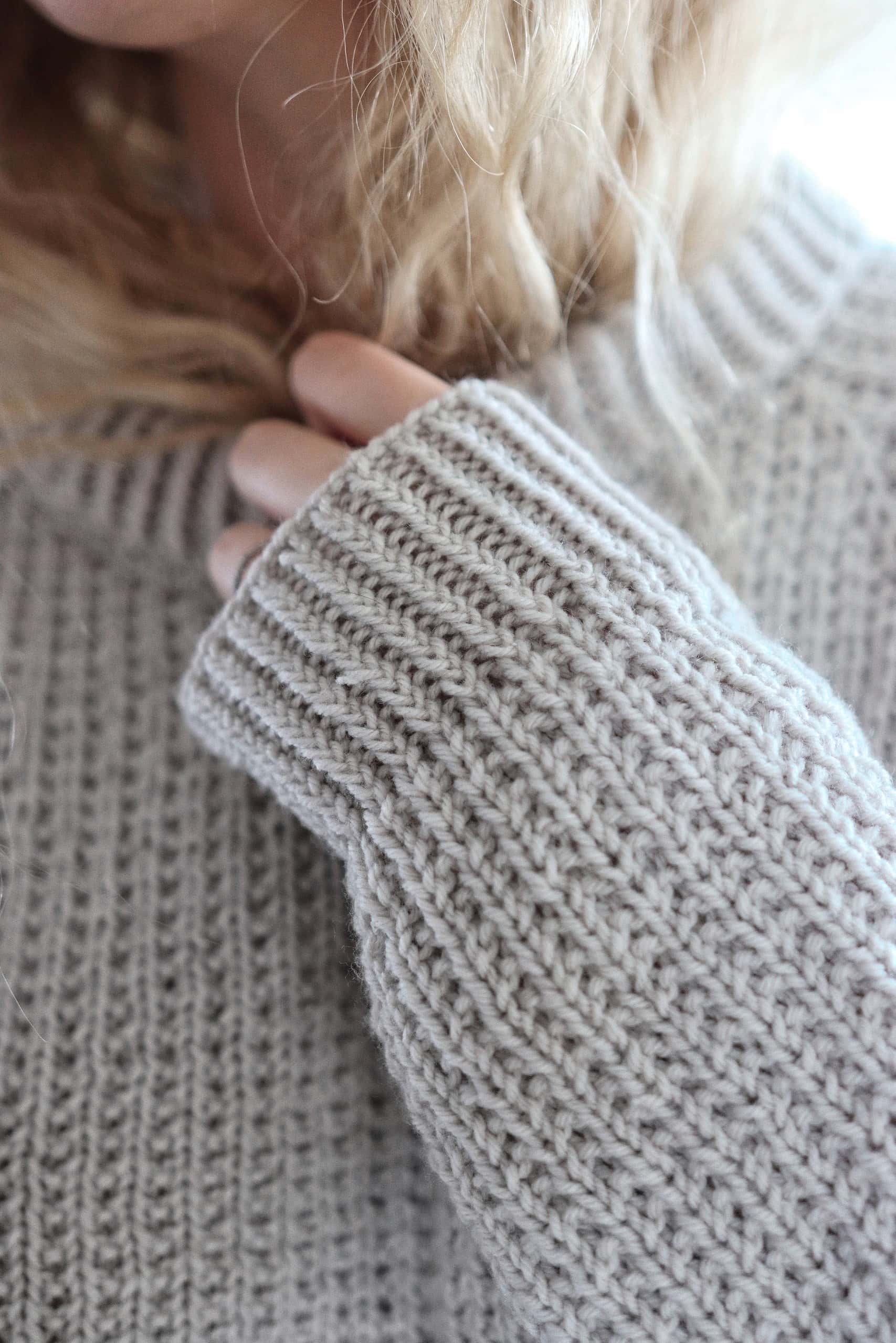
Learn to knit a top-down seamless raglan sweater with my free six-part video tutorials below.
Why Textured Sweaters Are So Popular Right Now
Handknit sweaters have always been special, but a textured handknit sweater is unmistakably handmade in the best way. You simply cannot buy a hand-cabled or brioche pullover off the rack. The dimensional, tactile quality of textured knitting is something only a handknitter can create, and that exclusivity is a huge part of the appeal.
Textured sweater knitting patterns also offer something that plain stockinette does not: they keep your hands and mind engaged. If you have ever found yourself bored halfway through a sweater body, texture is the cure. Every row has something interesting happening, and watching the pattern emerge from your needles is deeply satisfying.
Cable Knitting: The Classic That Never Goes Out of Style
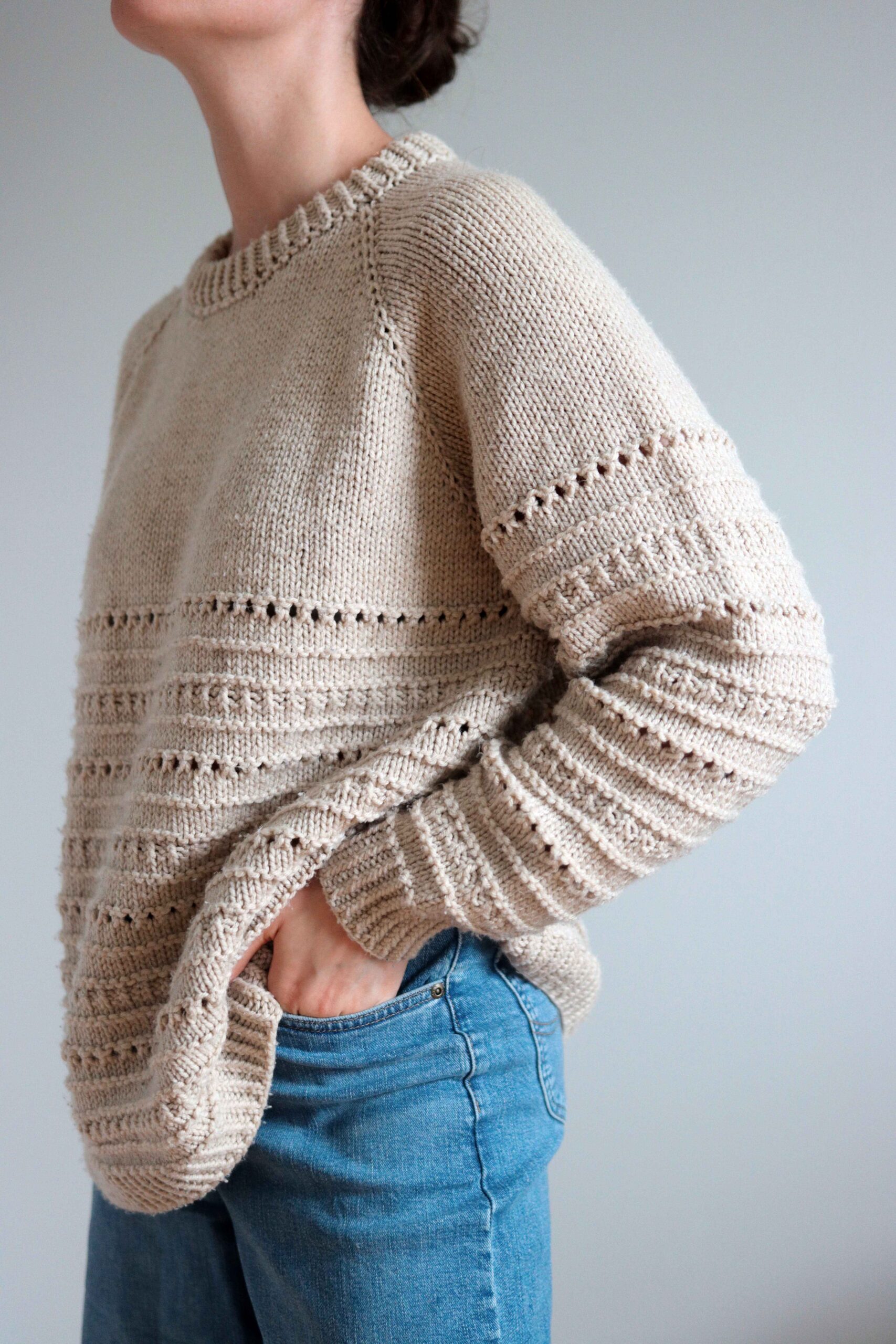
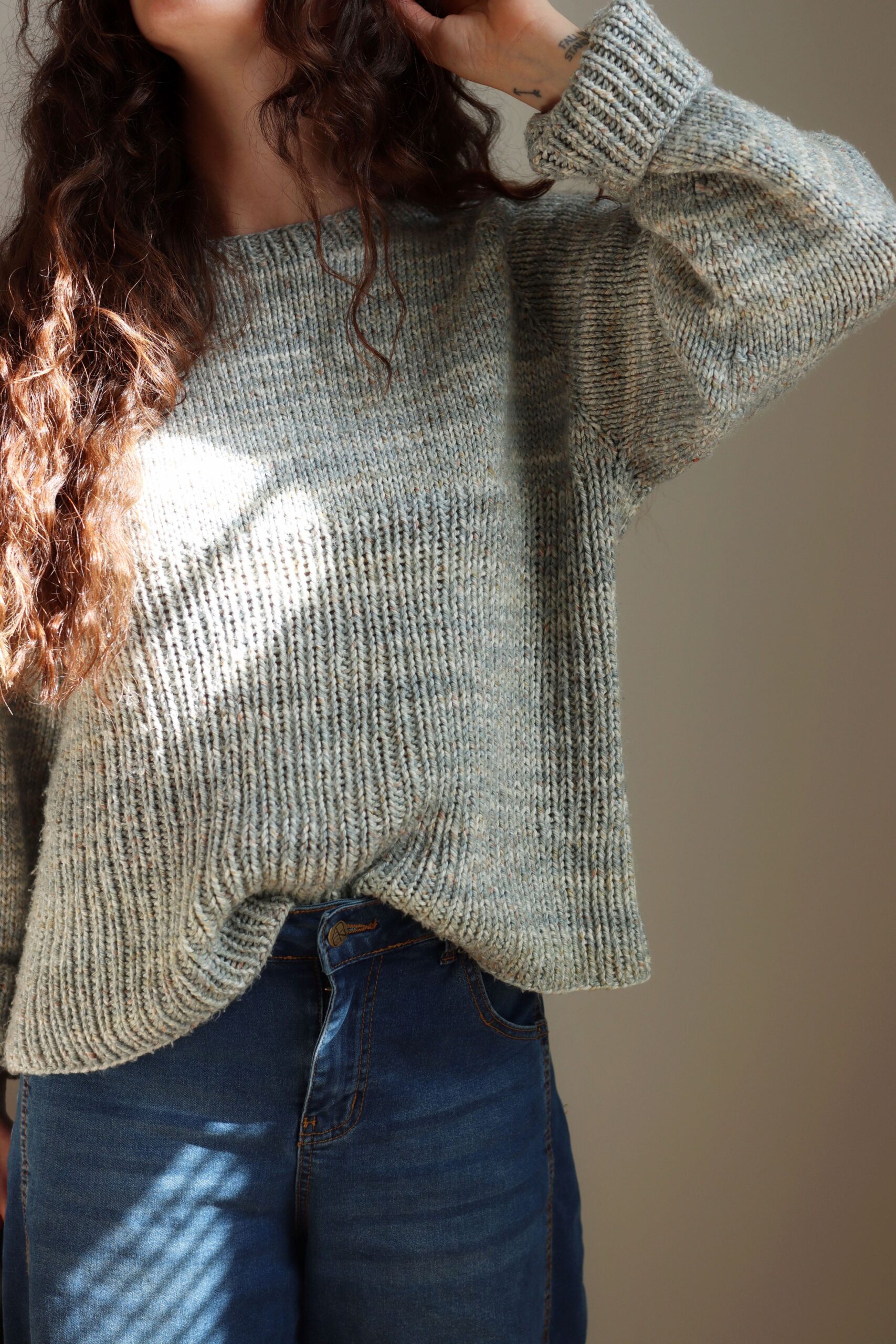
Cable knitting is probably the first technique that comes to mind when you think of textured sweaters, and for good reason. Cables create beautiful raised, intertwined columns of stitches that add both visual depth and structural warmth to a garment. They range from simple rope twists that a confident beginner can handle to elaborate Aran panels that challenge experienced knitters. The Mistfall Sweater shown below uses faux cables that are equally beautiful - just easier to knit!
Modern Cable Trends
The cable knit sweater has evolved significantly from the traditional fisherman's pullover. Here is what is trending in cable sweater knitting patterns right now:
- Flat cables and faux cables: These create the look of cable texture with less bulk, giving a modern, graphic feel. They are perfect for lighter-weight yarns where traditional cables might add too much thickness.
- Single vertical cable panels: Rather than covering the entire sweater in cables, many patterns place one dramatic cable panel running from the neckline down the center front. This approach creates a focal point without overwhelming the design.
- All-over Aran designs: On the other end of the spectrum, maximalist cable patterns that cover every inch of the sweater are making a strong comeback. These are heirloom-quality pieces that take time but produce stunning results.
- Cable accents: Small cable details on cuffs, hems, or shoulders add interest without committing to a full cable project.
Best Yarns for Cable Knitting
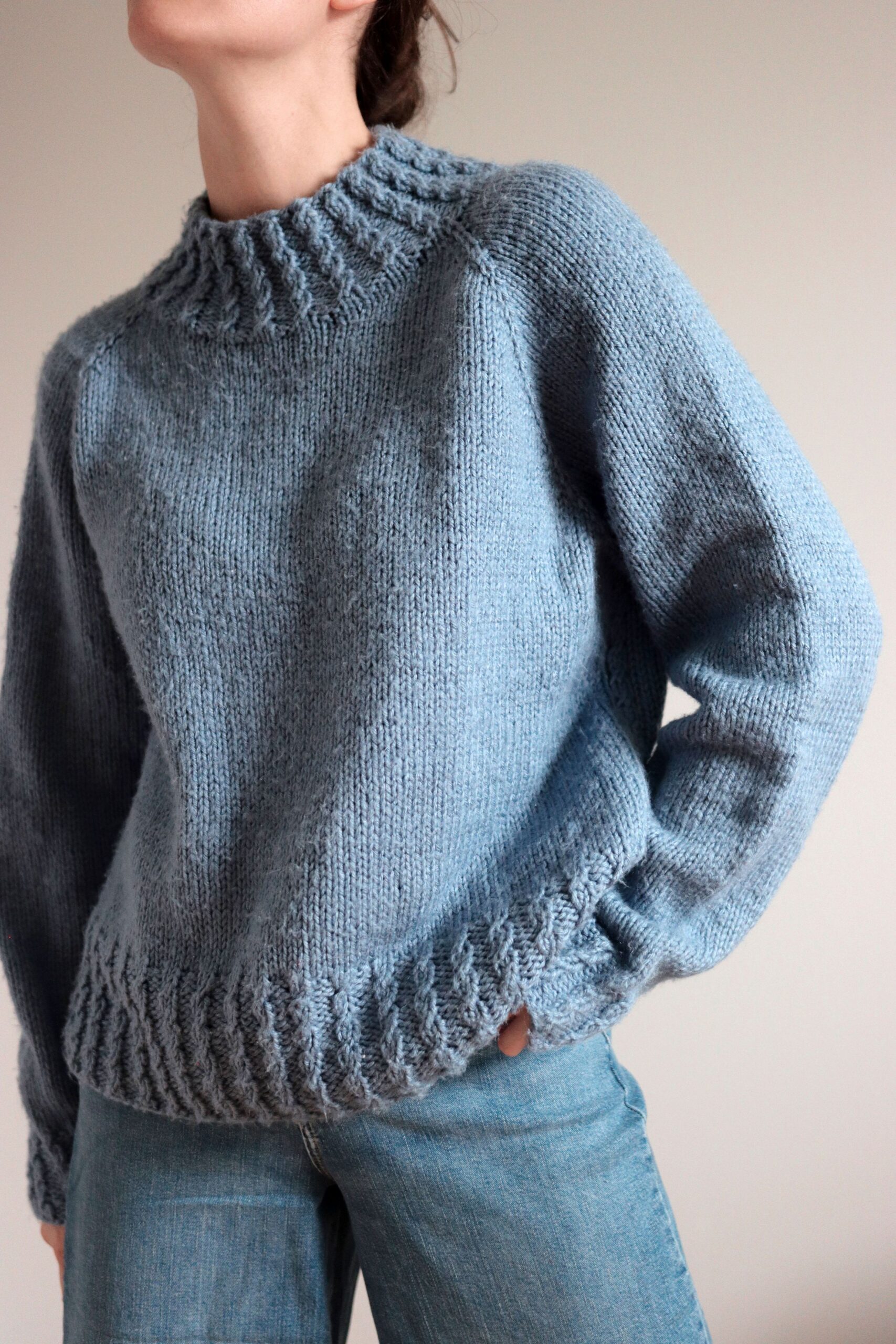
Cable stitch definition depends entirely on your yarn choice. Smooth, plied yarns in wool or wool blends show cables most clearly. Look for round, well-twisted yarns. Merino wool, Bluefaced Leicester, and wool-alpaca blends are all excellent choices. The Mistfall Sweater knitting pattern shown above uses faux cables, which are even easier to knit, but just as dramatic.
Worsted and Aran weight yarns are the traditional choice for cable sweaters, but DK weight cables create a more refined, modern look that works beautifully for year-round wear.
Brioche Knitting: The Squishy, Reversible Texture
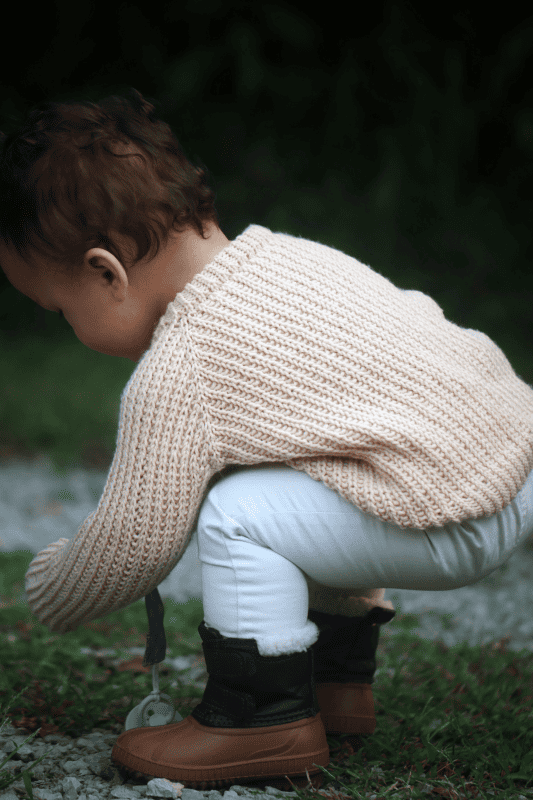
Think: The Snuggle Sweater knitting pattern. Brioche knitting creates a thick, cushiony fabric with deep vertical ribs that look beautiful on both sides. The reversible nature of brioche makes it ideal for scarves and cowls, but brioche sweaters have become increasingly popular as knitters gain confidence with the technique.
Why Knitters Love Brioche
The appeal of brioche fabric is impossible to capture in a photograph. You have to squeeze it. Brioche creates a lofty, spongy textile that is warmer than its weight suggests, with a gentle stretch that drapes beautifully on the body. A brioche sweater feels like wearing a cloud.
Two-color brioche takes the technique even further. By working two colors simultaneously, you create a fabric that shows one color on one side and the other color on the reverse. The interplay between the colors creates depth and richness that no other knitting technique can match.
Getting Started with Brioche
If you have never tried knitting brioche, start with a simple one-color brioche scarf or cowl before committing to a full knit sweater pattern. Or you can try a little baby sweater to test the waters - like The Snuggle Sweater. The key knit stitches to learn are the brioche knit (brk) and the brioche purl (brp), along with the yarn-over-slip sequence that creates the doubled fabric. Once the rhythm clicks, it becomes surprisingly meditative.
For your first brioche knit sweater, choose a knitting pattern with brioche sections rather than an all-over brioche construction. A brioche yoke on a stockinette body, for example, gives you the beautiful texture where it is most visible without the complexity of shaping entirely in brioche.
Bobbles, Seed Stitch, and Other Textured Stitches For Knit Sweater Designs
Beyond cables and brioche, there is a whole world of textured knit stitches that can transform a simple sweater knitting pattern:
- Bobbles and nupps: Small, three-dimensional bumps that add playful texture. Bobbles can be scattered across a sweater body, clustered in diamond patterns, or used as accents along a cable panel. They add a joyful, handmade quality that is instantly recognizable.
- Seed stitch and moss stitch: These alternating knit-purl patterns create a subtle, bumpy texture with excellent drape. Seed stitch panels are a beginner-friendly way to add interest to a sweater without learning new techniques. The knitted fabric lies flat without curling, which makes it particularly useful for hems and borders.
- Basket weave: Created by alternating blocks of knit and purl stitches, basket weave texture is simple to knit and creates a structured, woven knitted appearance. It works well for the body of a relaxed-fit pullover sweater.
- Twisted stitches: Working through the back loop creates a slightly twisted, more defined knit stitch that adds subtle texture across an entire fabric. Twisted stitch patterns can mimic the look of cables without a cable needle.
Mixing Knit Textures
One of the strongest trends in textured knit sweater design and sweater knitting patterns is combining multiple stitch patterns in a single garment. A knitted sweater might feature cable panels framed by seed stitch borders with bobble accents. This maximalist approach creates rich, complex fabrics that showcase the full range of what knitting can do.

Choosing Textured Knit Stitches by Skill Level
Not sure where to start? Here is a quick guide:
Beginner-friendly knitting textures: Seed stitch, moss stitch, simple 4-stitch rope cables, basket weave. These use only knit and purl stitches (cables add one new move: the cross) and produce beautiful results with minimal frustration.
Intermediate knitting textures: Complex cable panels, bobbles, one-color brioche, twisted stitch patterns. These require reading charts and tracking your position in the pattern, but any knitter who has completed a few stockinette sweaters can handle them.
Advanced knitting textures: Two-color brioche, all-over Aran with multiple cable patterns, lace and cable combinations. These demand focused attention and experience reading your knitting, but the finished garments are truly extraordinary.

Gauge and Fit Considerations for Textured Sweaters
Textured stitches behave differently from stockinette, and your gauge swatch matters more than ever. Cables pull the fabric in, so a cable sweater will be narrower than the same number of stitches in stockinette. Plan for this by swatching in your actual stitch pattern, not in stockinette.
Brioche uses significantly more yarn than stockinette (roughly 50% more for one-color brioche) and creates a thicker fabric. Factor this into your yarn purchase and your size selection.
Bobbles and seed stitch add width compared to stockinette. Again, a gauge swatch in the actual stitch pattern is essential.
The general rule: never trust a stockinette gauge swatch for a textured sweater pattern. Swatch in your texture, block it, and measure carefully.

Ready to Knit Something Textured?
Whether you start with a simple seed stitch panel or dive into an ambitious cable pullover, textured sweater knitting is one of the most rewarding directions your craft can take. The finished garments have a depth and character that plain knitting simply cannot match, and every one is a true showcase of your skill as a knitter.
Browse my knitting pattern collection for sweater patterns that let your stitchwork shine. And if you are new to textured knitting, remember: every expert cable knitter started with their first simple twist.
Comments are closed.