

You're standing in the yarn aisle, drawn to those gorgeous skeins of color, wondering how to knit your first project—or maybe you should learn to crochet instead? The eternal question of crochet vs knitting and which is easier for beginners is one I hear constantly from new crafters.
As someone who's taught many people both crafts over the years, I can tell you there's no one-size-fits-all answer. But there are definitely some key differences that might make one craft feel more natural to you than the other.
Let me walk you through everything you need to know to make the best choice for your first fiber arts adventure.
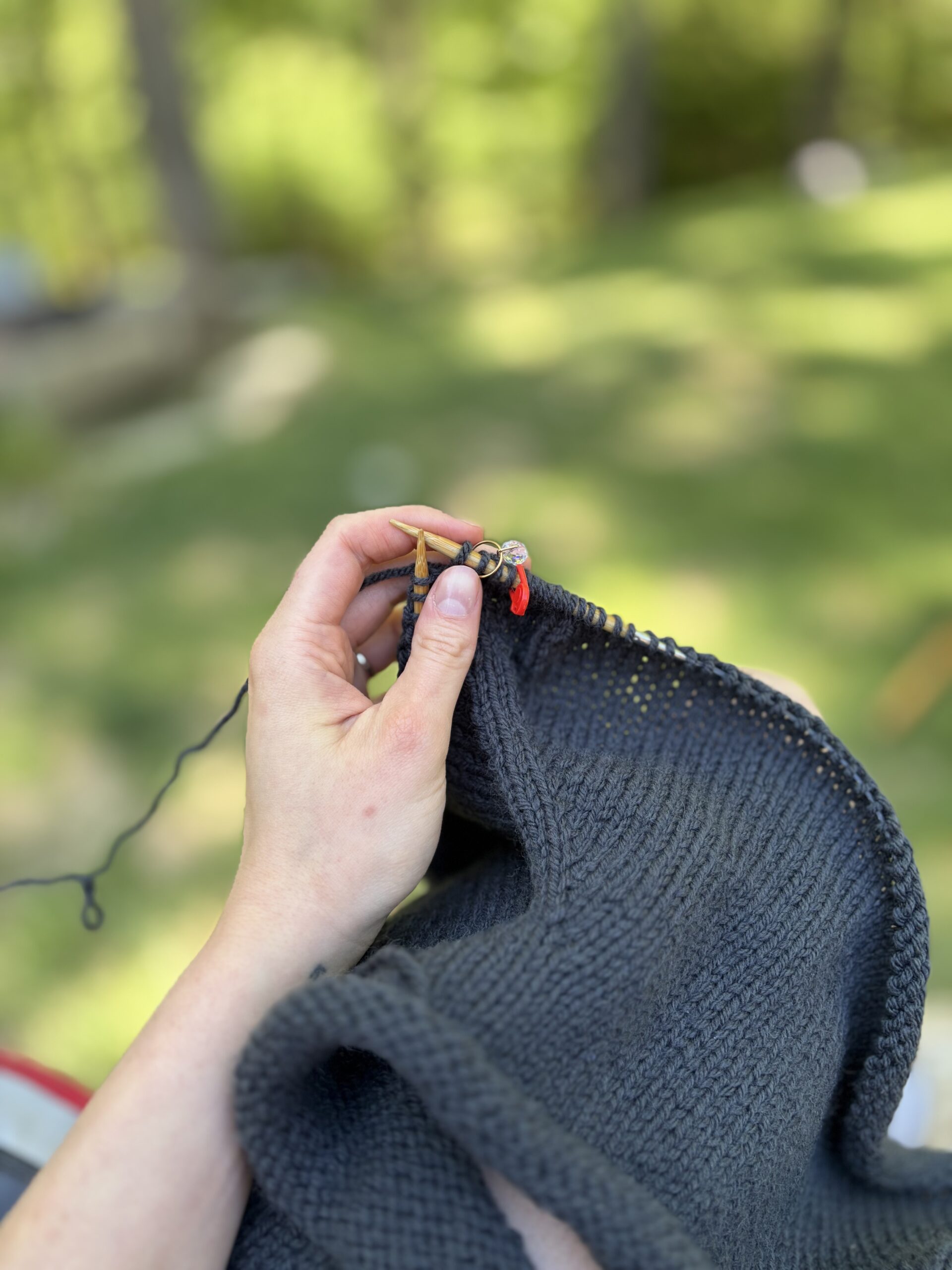
Key Takeaways: Knitting & Crochet
- Crochet uses one hook and is generally easier to fix mistakes, making it more forgiving for absolute beginners
- Knitting creates a more refined fabric but requires managing multiple active stitches on needles
- Crochet works up faster and uses more yarn, while knitting takes longer but creates more delicate results
- Your learning style and project goals should guide your choice—visual learners often prefer crochet's clear stitch structure
- Both crafts have therapeutic benefits and endless creative possibilities
- Starting with cotton yarn in DK or worsted weight gives you the best learning experience
- Quality tools make a significant difference in your early success with either craft

The Fundamental Differences: Crochet vs Knitting
Before we dive into which is easier, let's understand what makes these crafts different. Crochet uses a single hook to pull loops through other loops, creating fabric one stitch at a time. You're always working with just one active stitch.
Knitting uses two or more needles to hold multiple active stitches. You create fabric by transferring stitches from one needle to another, building rows of interlocked loops.
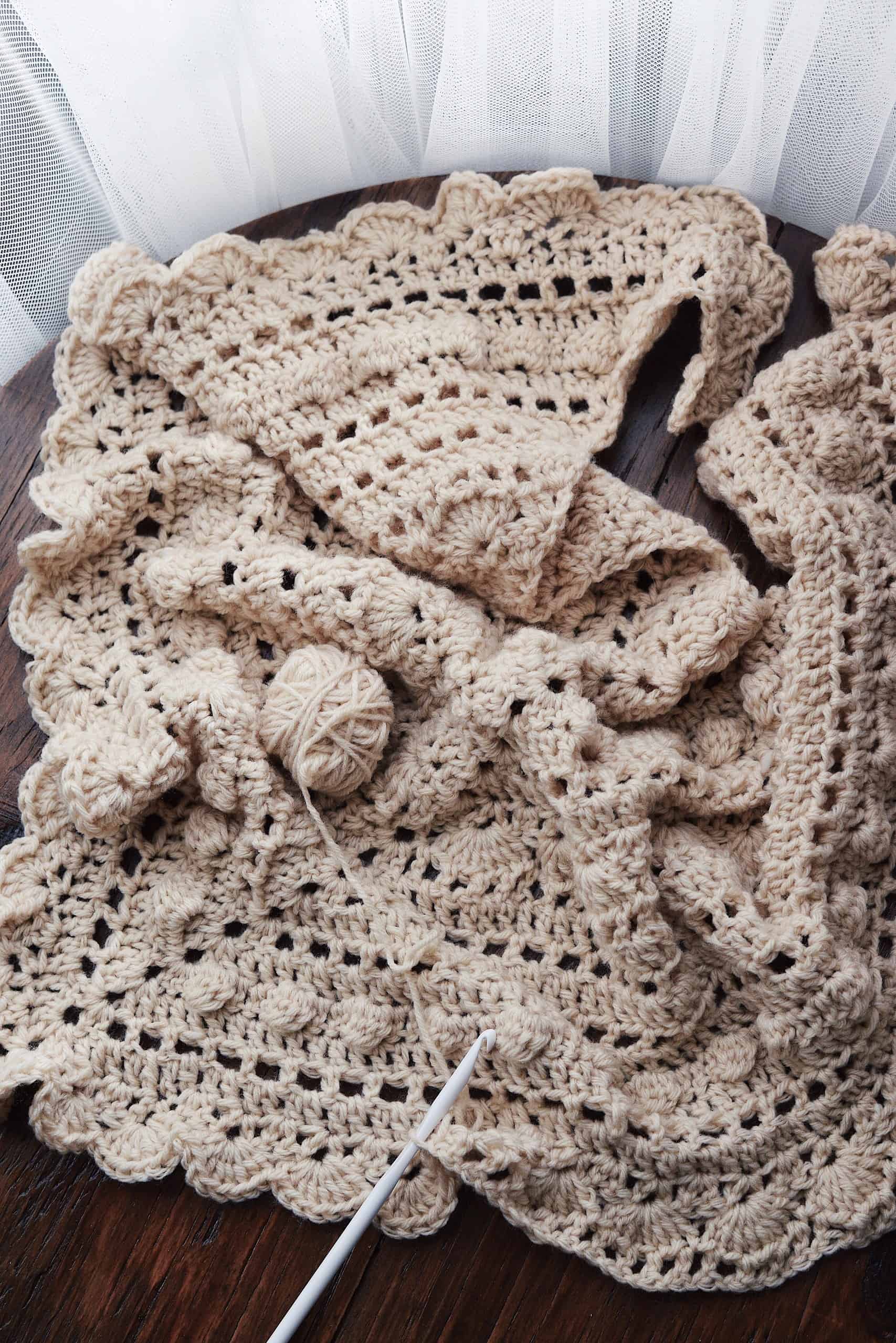
This fundamental difference affects everything—from how mistakes are fixed to the final look of your fabric. Crochet creates a more structured, often thicker fabric with visible posts and spaces. Knitting produces a smoother, more elastic fabric with a refined drape.
For summer projects, both crafts offer beautiful possibilities. Light cotton yarns like Paintbox Yarns Cotton DK work beautifully for both knitted and crocheted tops, while CotLin DK Yarn adds a gorgeous linen drape perfect for warm weather garments.
Why Crochet Might Be Easier for Your First Project
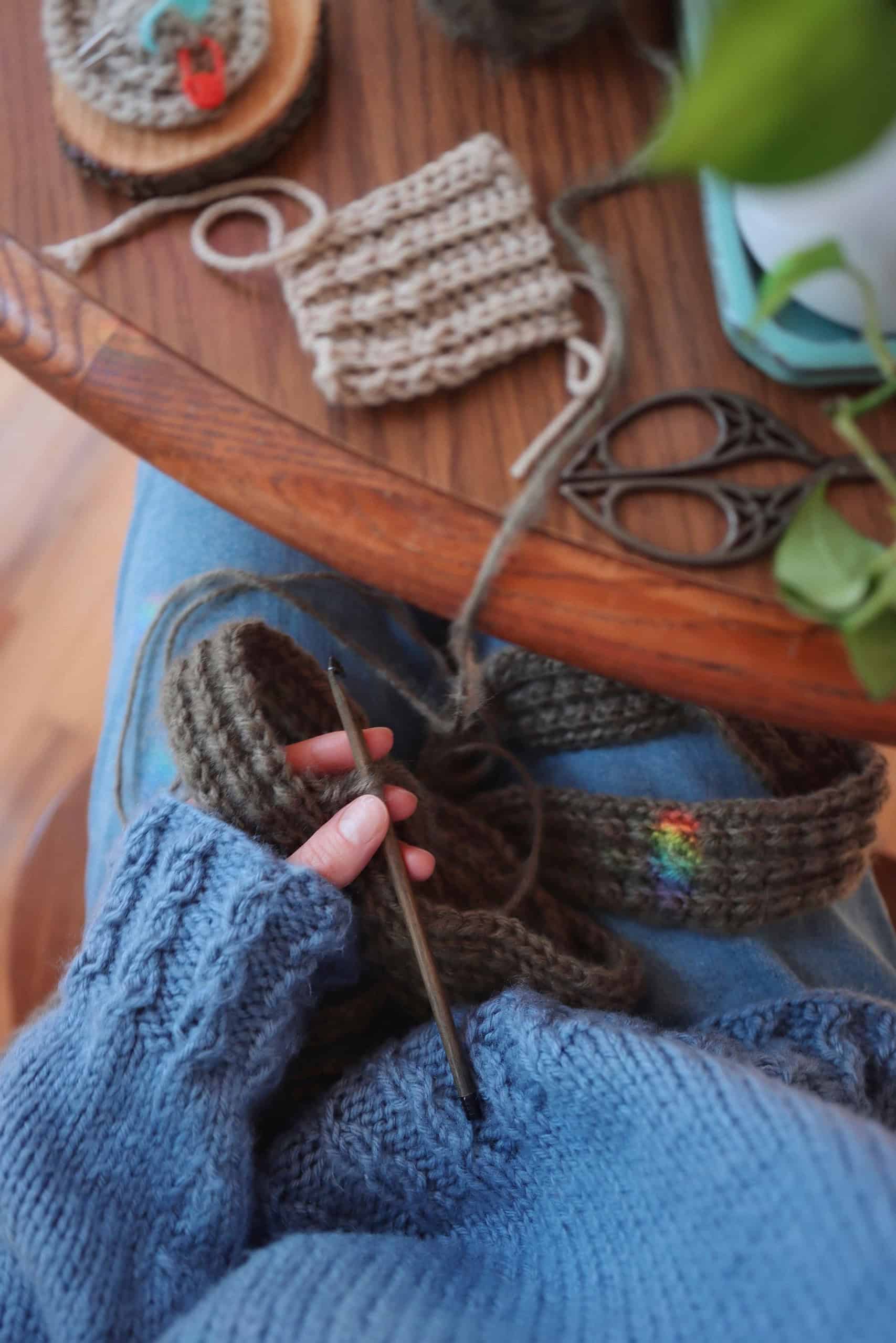
When people ask me how to knit their first project, I often suggest they consider crochet first. Here's why: mistakes are much easier to fix. If you drop a stitch in crochet, you simply unravel to that point and continue—no complex stitch rescue required.
Crochet also gives you immediate visual feedback. You can see exactly what each stitch is doing and how the fabric is forming. There's something deeply satisfying about watching your work grow quickly with clear, defined stitches.
The learning curve tends to be gentler too. Most crochet stitches are variations of the same basic motion: yarn over, pull through. Once you master single crochet, double crochet follows naturally.
For your first crochet project, I recommend starting with a simple dishcloth using Lily Sugar'n Cream Yarn. Cotton is forgiving, affordable, and you'll end up with something useful. Pair it with the Clover Amour Crochet Hook Set—the ergonomic handles make learning much more comfortable.
Summer is perfect for learning crochet because you can make lightweight accessories like the Honeysuckle Scrunchie Pattern or progress to breezy tops using Lindy Chain Linen Yarn.
When Knitting Might Be Your Perfect Match
While crochet might seem easier initially, knitting has its own compelling advantages. The fabric you create is typically more refined and professional-looking. Knitted garments drape beautifully and have that coveted handmade-but-not-homemade appearance.
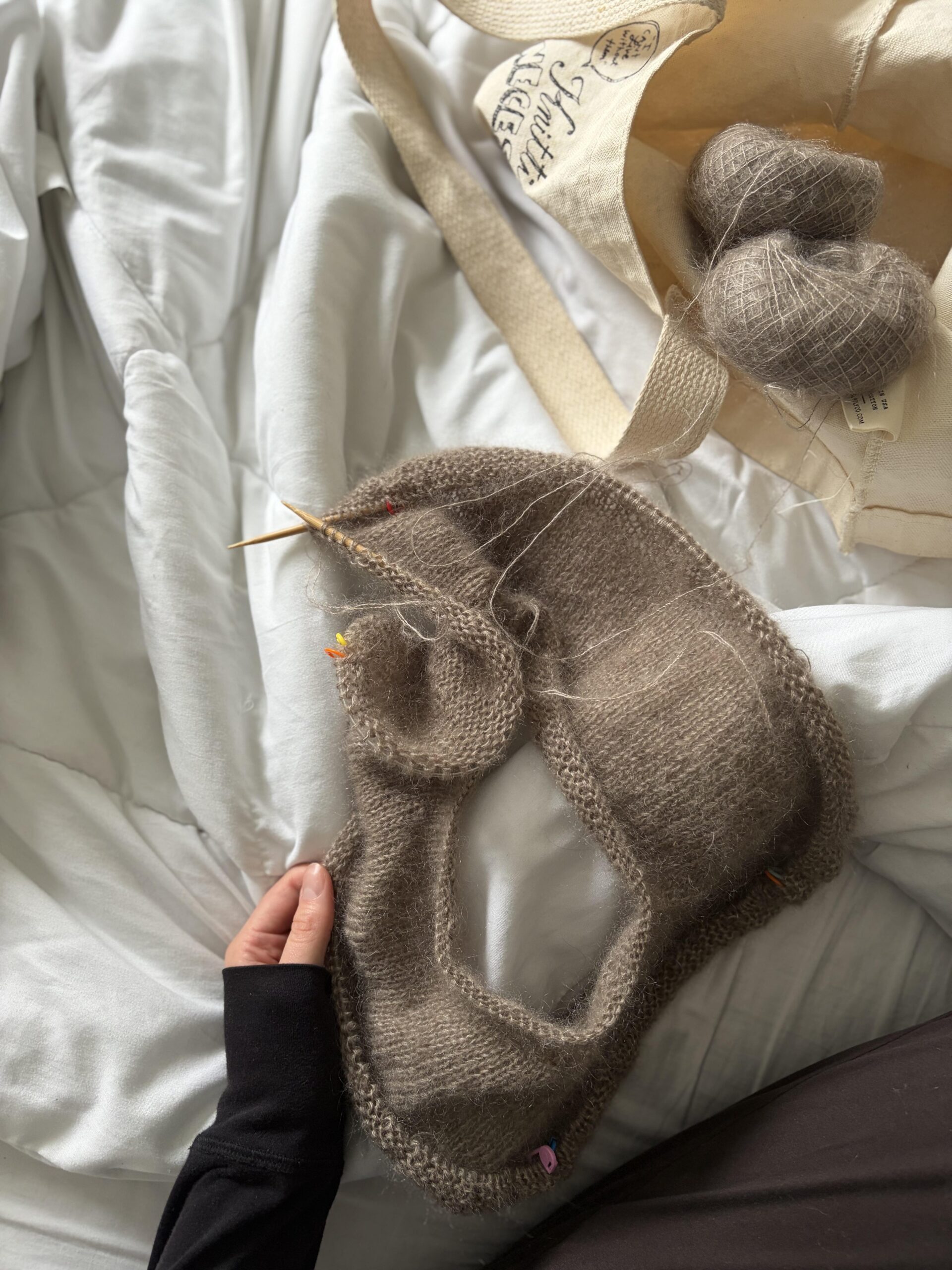
Knitting is also more yarn-efficient. You'll use significantly less yarn for the same size project compared to crochet. This means your yarn budget stretches further, and finished pieces are often lighter weight—perfect for summer wear.
Many knitters find the rhythm deeply meditative. The repetitive motions of knit and purl create a soothing flow that can be incredibly relaxing after a long day.
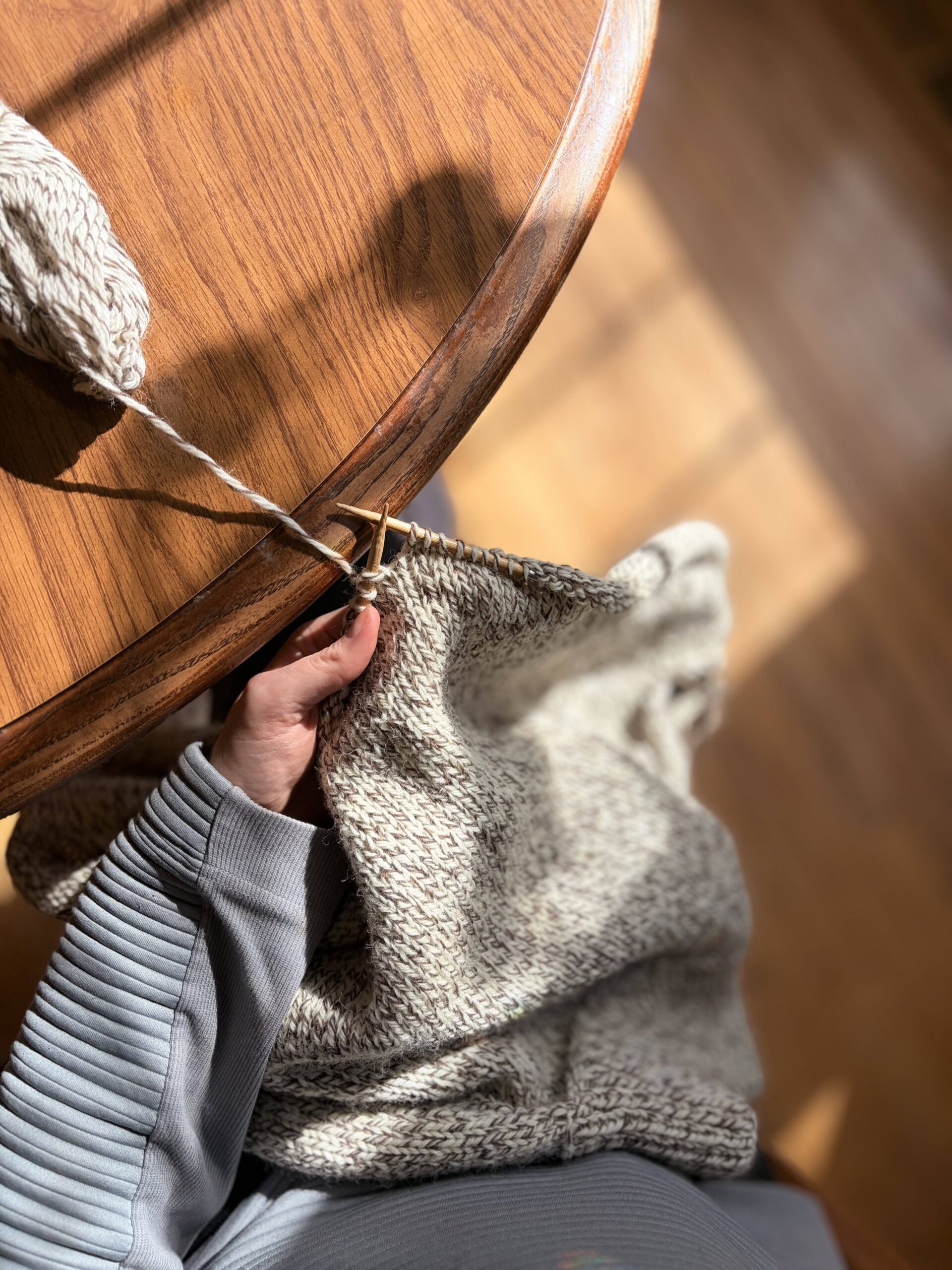
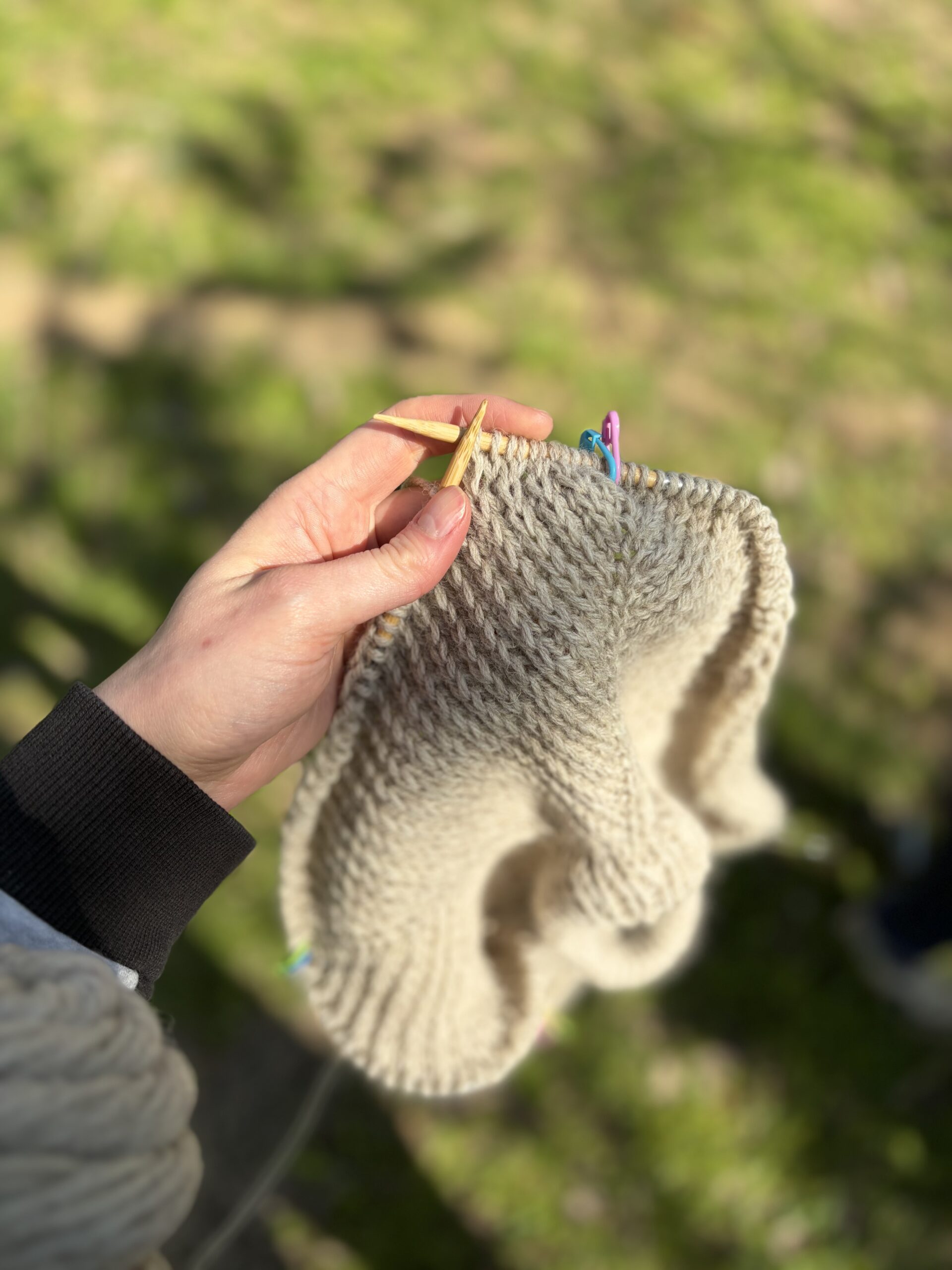
If you're drawn to knitting, invest in quality needles from the start. Clover Takumi Bamboo Knitting Needles are gentle on your hands and quiet to use, while ChiaoGoo Red Lace Circular Needles offer smooth, snag-free knitting.
For your first knitting project, consider a simple washcloth in Knit Picks Swish Worsted. The yarn is forgiving, and you'll practice essential knit and purl stitches. Once you're comfortable, the Classic Camisole Pattern makes a beautiful summer project that showcases knitting's elegant drape.
Making Your Choice: Which Craft Suits You?
The question of how to knit your first project versus learning crochet really comes down to your personality and goals. Choose crochet if you: prefer immediate results, like clearly defined structure, want forgiving mistake correction, or enjoy working up projects quickly.
Choose knitting if you: love refined, professional-looking results, want maximum yarn efficiency, enjoy meditative repetition, or dream of making fitted garments with excellent drape.
Consider your learning style too. Visual learners often gravitate toward crochet because each stitch is clearly visible and defined. Tactile learners might prefer knitting's smooth needle movements and the way stitches flow from one needle to another.
Your project goals matter too. If you want to make amigurumi, decorative edgings, or thick blankets, crochet is your friend. If fitted sweaters, delicate shawls, or fine socks call to you, knitting is the way to go.
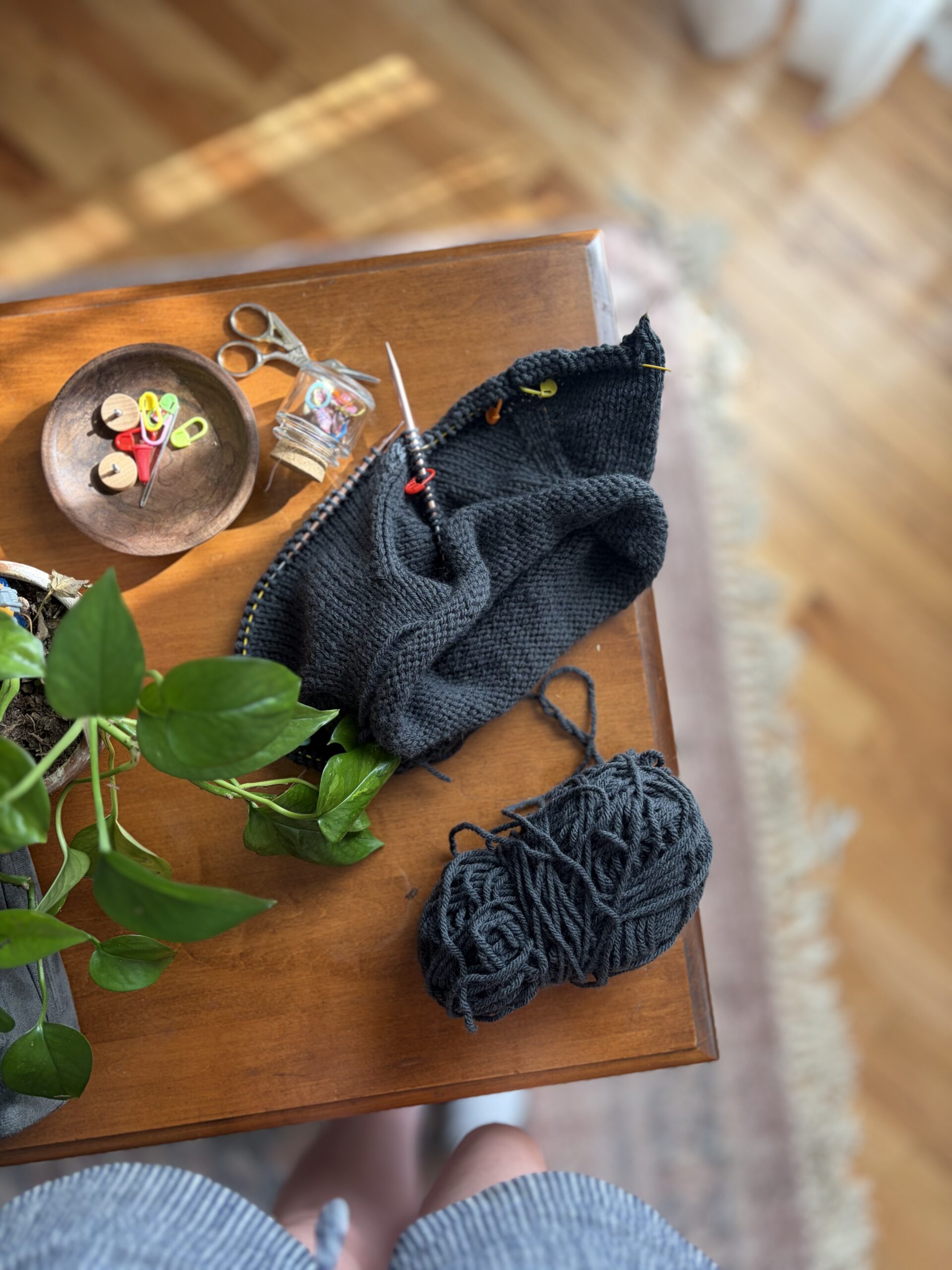
Don't forget about tools and accessories that make learning easier. Locking Stitch Markers help track your progress in either craft, while a KnitPro Row Counter keeps you organized. The Luxja Knitting Bag keeps all your supplies tidy whether you choose hooks or needles.
Setting Yourself Up for Success
Regardless of which craft you choose, yarn selection is crucial for beginners. Stick with light-colored, smooth yarns in worsted or DK weight. Paintbox Yarns Cotton Aran is perfect for summer learning projects—it's smooth, forgiving, and shows stitch definition clearly.
Avoid dark colors, fuzzy textures, or slippery yarns while learning. These make it harder to see your stitches and can lead to frustration. Lion Brand Wool-Ease Thick & Quick might seem appealing for fast results, but save it for when you're more experienced.
Create a comfortable learning environment with good lighting and ergonomic seating. Keep a Susan Bates Steel Crochet Hook Set handy even if you choose knitting—smaller hooks are perfect for fixing dropped stitches.
Consider starting with my beginner-friendly patterns designed specifically for new crafters. They include detailed instructions and plenty of support to build your confidence.
Remember to invest in finishing tools too. Clover Tapestry Needles are essential for seaming and weaving in ends, while KnitIQ Blocking Mats help your finished projects look their absolute best.
Img_6079
Frequently Asked Questions
Q: Can I learn both crochet and knitting at the same time?
A: I recommend mastering one craft first to avoid confusion. The muscle memory for each is different, and learning both simultaneously can slow your progress. Once you're comfortable with one, adding the second becomes much easier.
Q: Which craft is faster for making finished projects?
A: Crochet generally works up faster because you're creating taller stitches. However, knitting uses less yarn and creates lighter, more refined fabric. Choose based on your priorities—speed or refinement.
Q: Is it true that knitting is harder on your hands than crochet?
A: Both crafts can cause strain if you grip too tightly or work for extended periods. Knitting involves more finger dexterity, while crochet requires more wrist movement. Take breaks and use ergonomic tools with either craft.
Q: What's the most important skill to master first in each craft?
A: For crochet, master consistent tension and counting stitches. For knitting, focus on even tension and recognizing knit versus purl stitches. These fundamentals will serve you throughout your crafting journey.
Q: How do I know if I'm making progress?
A: Set small, achievable goals like completing a practice swatch or finishing a simple dishcloth. Document your journey with photos—you'll be amazed at your improvement over just a few weeks.
Q: Should I take a class or learn online?
A: Both have merits. Classes offer immediate feedback and community, while online learning lets you go at your own pace. Many successful crafters combine both approaches, starting with online tutorials and taking classes for specific techniques.
Whether you choose to learn how to knit your first project or dive into crochet, remember that both crafts offer endless creative possibilities and therapeutic benefits. The "easier" craft is simply the one that resonates with your learning style and goals.
Start with quality materials, be patient with yourself, and don't be afraid to make mistakes—they're part of the learning process. Before you know it, you'll be creating beautiful handmade pieces that reflect your unique style and bring joy to both the making and the wearing.
I'd love to see what you create on your fiber arts journey! Share your first projects and tag @darlingjadore on Instagram—there's nothing quite like celebrating those first stitches and the confidence that comes with mastering a new craft.
Img_7126
Comments are closed.