

The way we knit and crochet is changing. Not the stitches themselves, but the choices we make before we ever pick up a needle. More makers than ever are asking deeper questions about their yarn: where it comes from, how it was made, and what kind of world their craft supports. Here is what sustainable and ethical making looks like in 2026.
The Rise of Plant-Based Fibers
Cotton and linen have always had a place in the maker’s stash, but 2026 is bringing a wave of new plant-based options that are genuinely exciting. Hemp yarn has gone from rough and scratchy to beautifully soft and workable. Tencel drapes like silk. Bamboo blends offer a natural sheen that photographs beautifully.
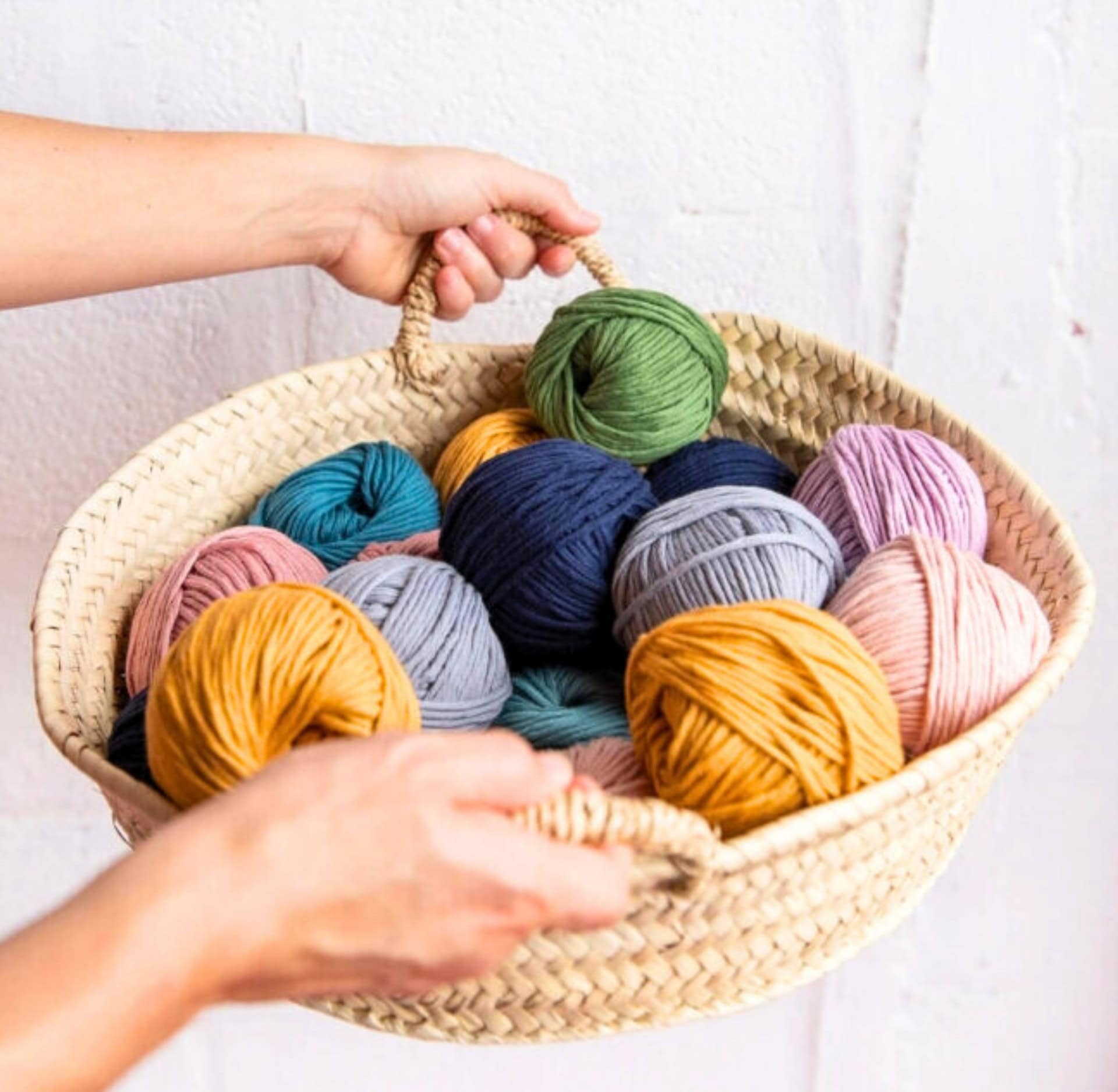
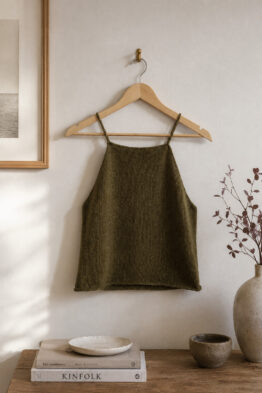
These fibers are especially appealing for warm-weather knitting. A linen tank top, a cotton market bag, or a Tencel shawl are all projects that feel right for the season and right for the planet.

Slow Making: Quality Over Quantity
The slow fashion movement has fully arrived in the handmade world. More knitters are choosing to make fewer projects with better materials. Instead of racing through quick knits in acrylic, there is a growing appreciation for taking time with a single beautiful project: swatching carefully, choosing the perfect yarn, and savoring the process.

This philosophy extends to tool choices too. Investing in high-quality wooden or bamboo needles, a good swift and ball winder, and a project bag that sparks joy are all part of building a craft practice that feels sustainable in every sense.

Recycled and Upcycled Yarn
Recycled yarn technology has improved dramatically. What used to feel stiff and limited in color is now soft, vibrant, and available in weights from lace to super bulky. Brands are turning post-consumer plastic bottles, old garments, and manufacturing waste into yarn that knits and crochets beautifully.

Upcycling is another movement gaining traction. Frogging old sweaters from thrift stores, re-spinning yarn, and reworking vintage pieces into something new is both creative and deeply sustainable.

Supporting Small and Indie Dyers
One of the most impactful things a maker can do is buy from small, independent yarn dyers. These artisans typically use eco-friendly dye processes, source ethical base yarns, and operate with a transparency that large corporations rarely match.

Supporting indie dyers also means supporting small businesses, often run by women and makers just like you. It is a beautiful cycle: makers supporting makers.

Small Steps, Big Impact
You do not have to overhaul your entire craft practice to make a difference. Start with one swap: try a plant-based yarn on your next summer project, or buy from an indie dyer for your next splurge skein. Choose a pattern you will actually finish and wear for years.
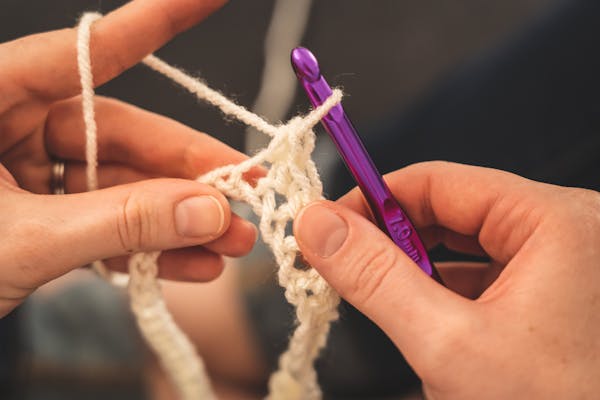
Every stitch you make by hand is already more sustainable than anything mass-produced. You are already part of the solution. Making thoughtful choices about your materials just amplifies the impact.
Happy making.
Comments are closed.